
Chacarita, Buenos Aires, Argentina
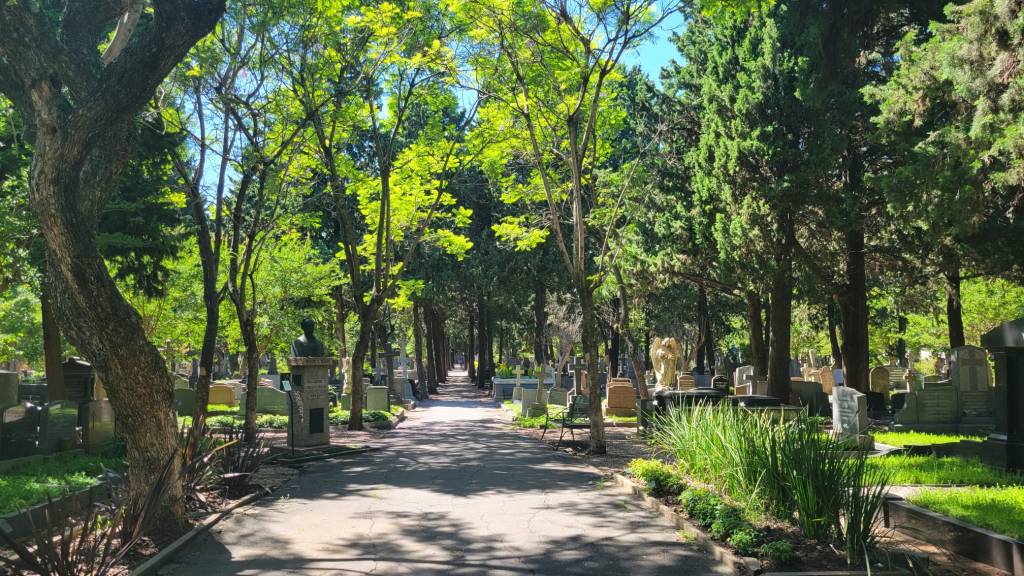

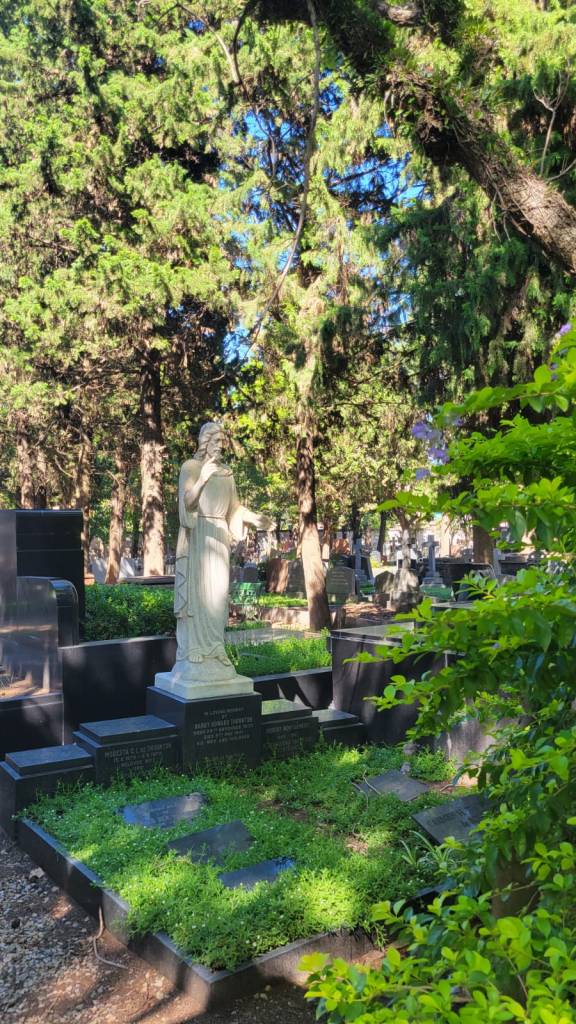
Llegué al Cementerio Británico https://www.instagram.com/britanicocementerio/ en una soleada mañana de diciembre y fui recibida por María Fernanda Selva, su Gerente Administrativo, quien me impactó con su vitalidad y entusiasmo 🙂 .
Esta visita fue posible porque unos días antes conocí a Soledad Saubidet https://www.instagram.com/descubriendo.buenosaires/ quien organiza paseos por la ciudad de Buenos Aires, incluyendo visitas guiadas a este cementerio y con mucha generosidad me recomendó conocer este lugar.
I arrived at the British Cemetery in the city of Buenos Aires https://www.instagram.com/britanicocementerio/ on a sunny December morning and was greeted by María Fernanda Selva, its Manager, who impressed me with her vitality and enthusiasm 🙂 .

This visit was possible because a few days before I met Soledad Saubidet https://www.instagram.com/descubriendo.buenosaires/who organizes tours around the city of Buenos Aires, including guided visits to this cemetery and generously recommended me to visit this place.
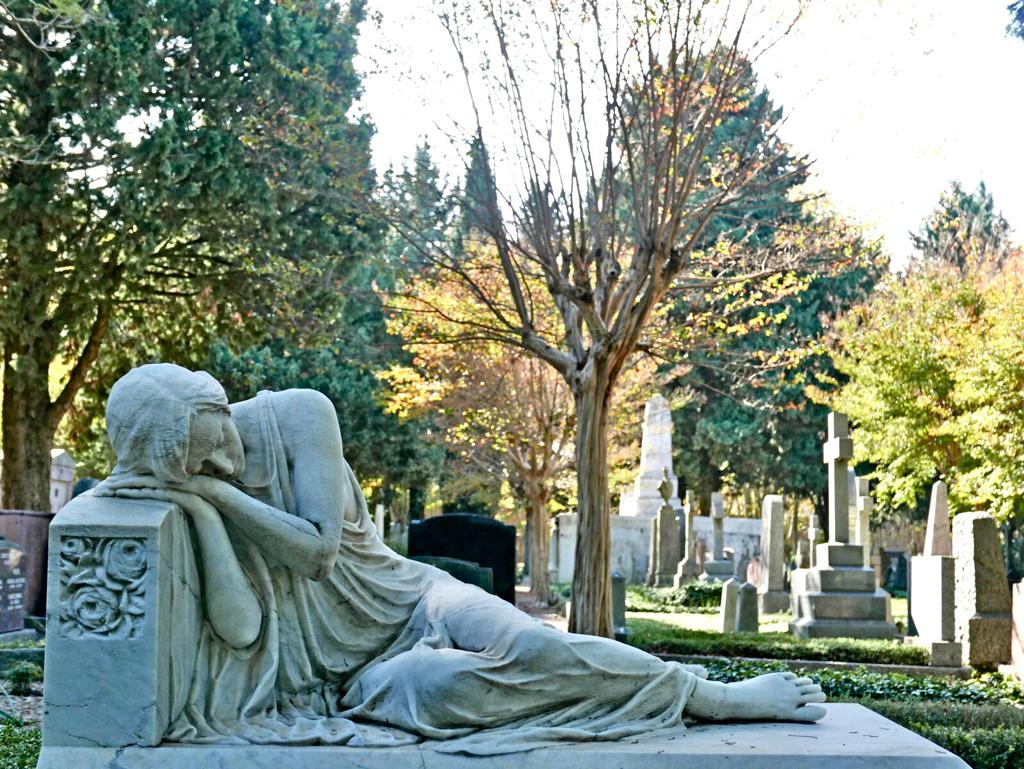
La sugerencia me sorprendió, debo confesarte que los cementerios no me atraen, pero pensé que era una gran oportunidad para ingresar a uno de esos lugares por los que había pasado infinidad de veces en camino a distintos lugares. Así que agradezco que la curiosidad se haya impuesto sobre la aprehensión 🙂
The suggestion surprised me, I must confess that cemeteries do not attract me, but I thought it was a great opportunity to enter one of those places I had passed countless times on my way to different places. So I am grateful that curiosity won out over apprehension 🙂

La realidad es que los cementerios no sólo nos hablan de quienes descansan allí, sino también de procesos históricos y culturales que ocurrieron en diferentes épocas. Tomé conciencia durante la visita de cuánta influencia británica tuvimos en la cultura argentina. Desde los ferrocarriles, diferentes tipos de empresas, artistas, educadores y nada más y nada menos que el fútbol, ya que fue Alexander Watson Hutton fue quien lo trajo a la Argentina 😉
The fact is that cemeteries not only tell us about those who rest there, but also about historical and cultural processes that occurred at different times. I became aware during the visit of how much British influence we had in Argentine culture. From the railroads, different types of companies, artists, educators and also football, since it was Alexander Watson Hutton who brought it to Argentina 😉
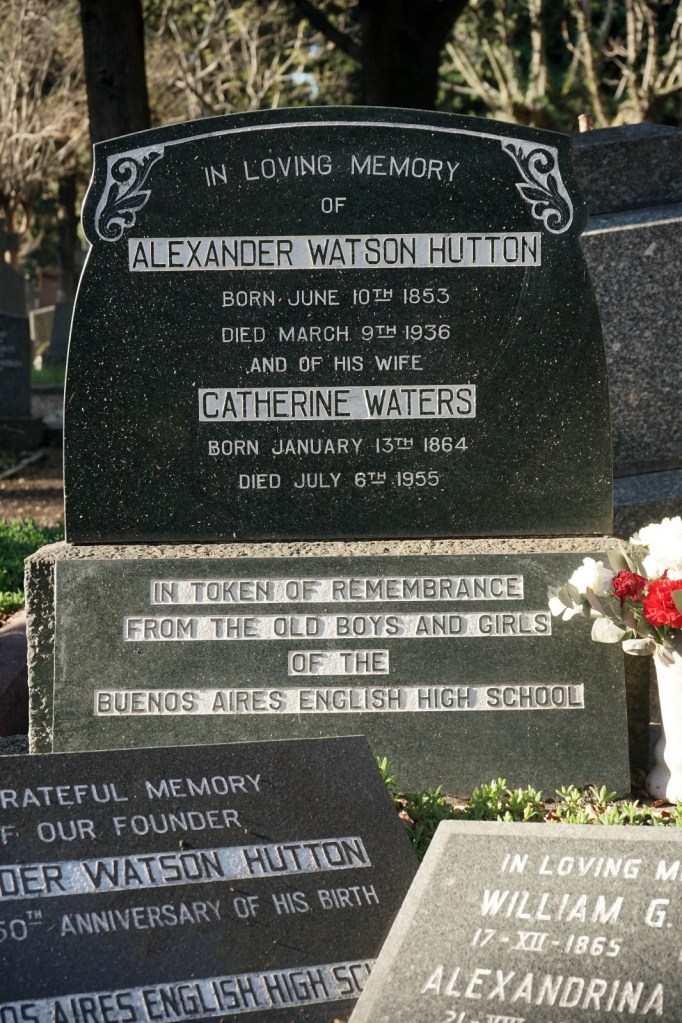


El Cementerio Británico fue fundado el 15 de diciembre de 1820, aunque no fue hasta el 28 de agosto de 1891 que se estableció en su ubicación actual, compartiendo inicialmente los terrenos de Chacarita con el Cementerio Alemán. Tras la Primera Guerra Mundial, ambos cementerios delimitaron y separaron sus espacios mediante un muro. La creación de estos cementerios respondió a la necesidad de proporcionar un lugar de sepultura para aquellos que no practicaban la religión católica, requisito indispensable para descansar en los campos santos. (*)
The British Cemetery was founded on December 15, 1820, although it was not until August 28, 1891 that it was established in its present location, initially sharing the grounds of Chacarita with the German Cemetery.
After World War I, both cemeteries delimited and separated their spaces by a wall. The creation of these cemeteries responded to the need to provide a burial place for those who did not practice the Catholic religion, an indispensable requirement to rest in the holy fields.

El Cementerio Británico está ubicado en la Avenida Elcano 4568, esquina Av. del Campo, en la ciudad de Buenos Aires. Su diseño fue obra de la paisajista Irma Scott, cuyo descanso final se encuentra en la sede de Pablo Nogués, primer cementerio jardín de Argentina e inaugurado en 1971. La capilla, de estilo sobrio y con la impresión de un barco volteado, fue diseñada por el arquitecto Sidney Follet, quien descansa en la sede de Chacarita.
The British Cemetery is located at Avenida Elcano 4568, on the corner of Av. del Campo, in the city of Buenos Aires. Its design was the work of landscape designer Irma Scott, whose final resting place is at the Pablo Nogués site, the first garden cemetery in Argentina and inaugurated in 1971. The chapel, of austere style and with the impression of an upturned ship, was designed by the architect Sidney Follet, who rests in the site of Chacarita.


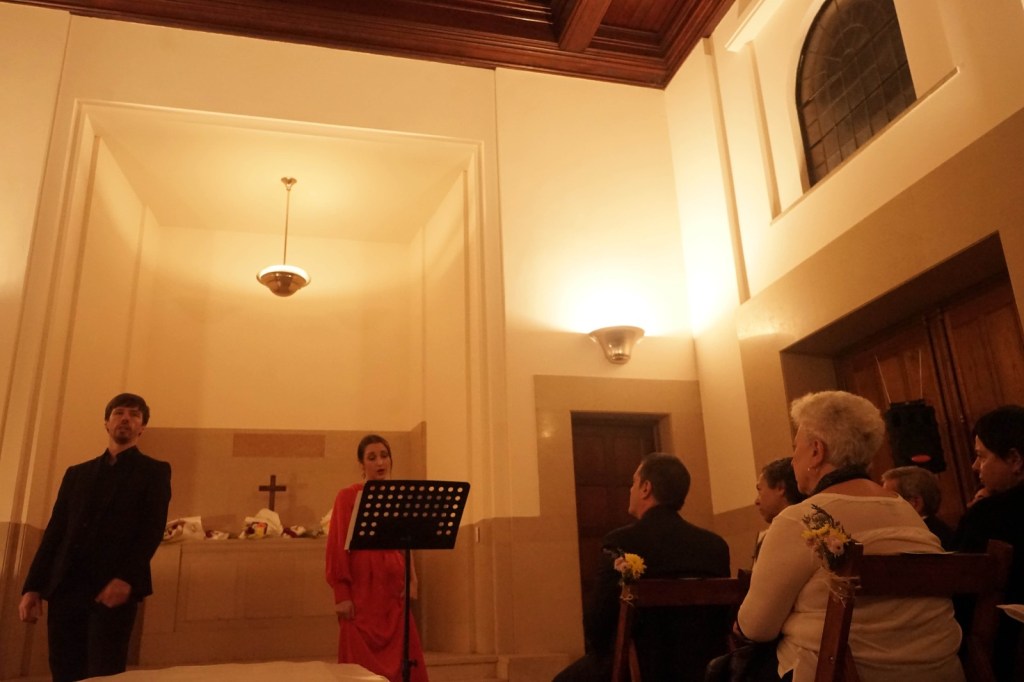
Concierto de soprano y barítono en la Capilla (Fotos Pablo Levaggi)


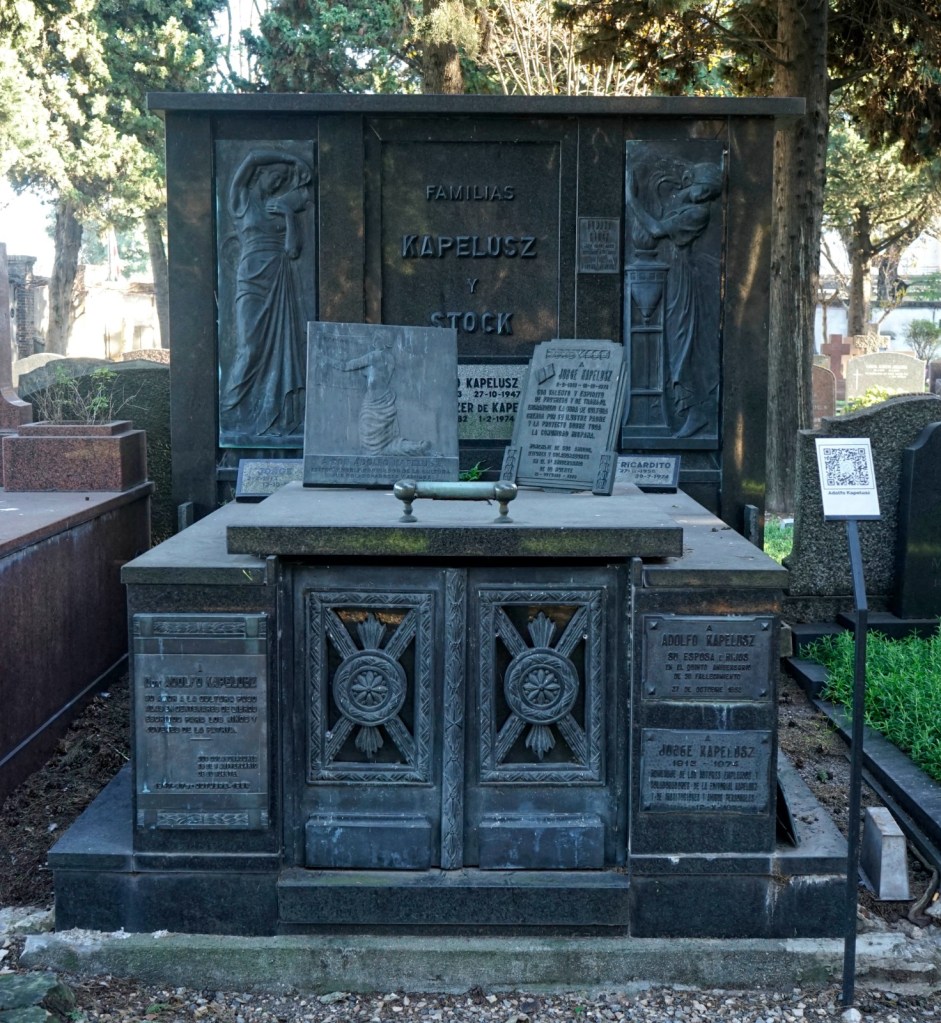
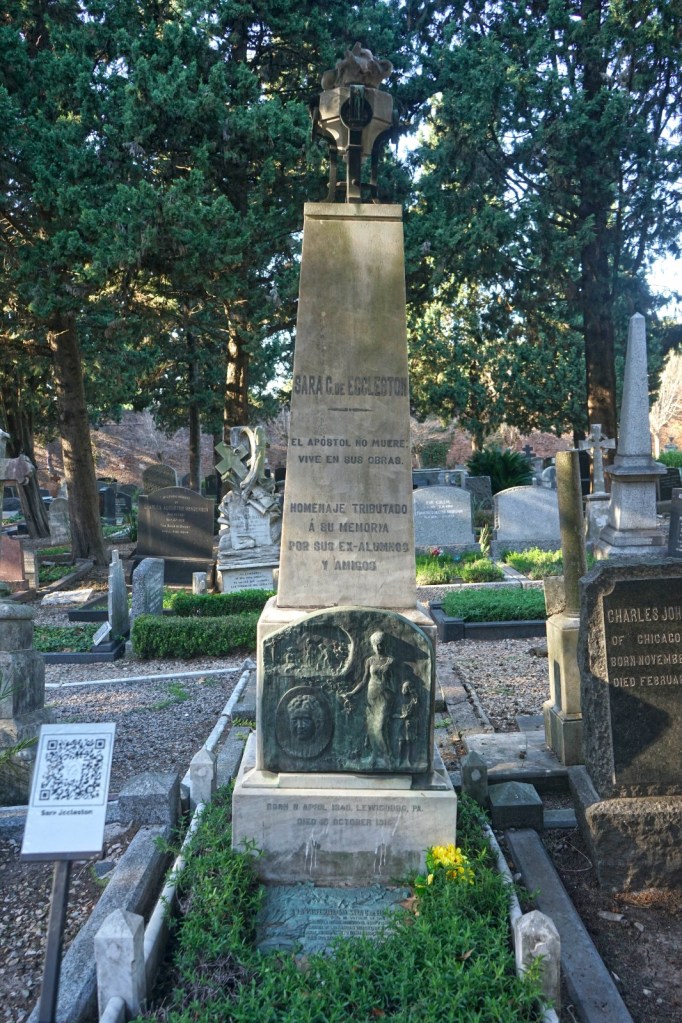
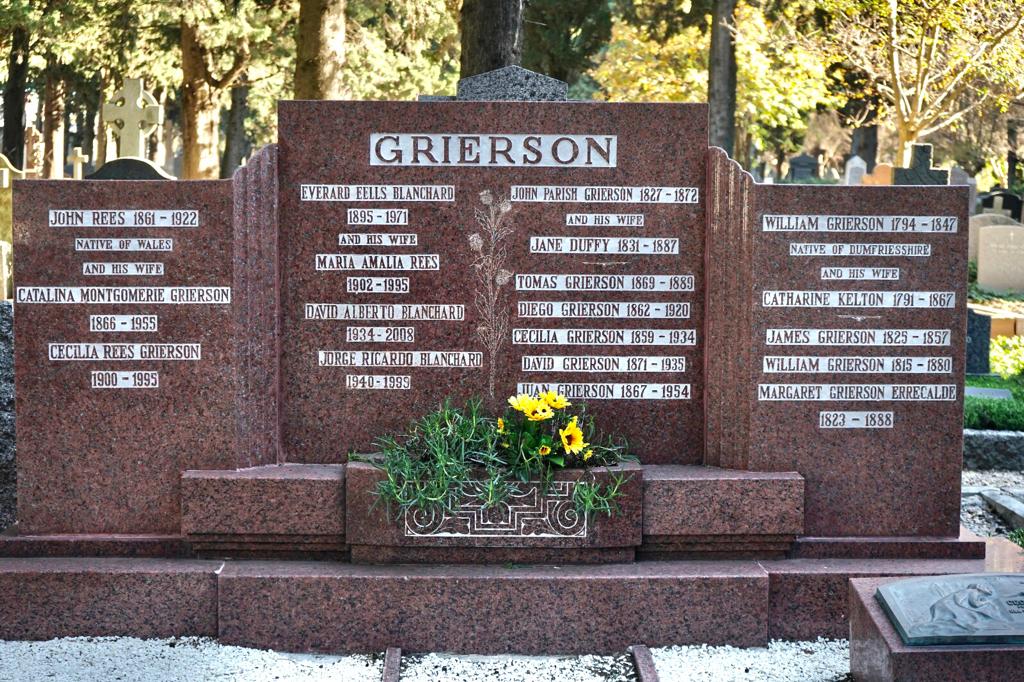
El recorrido por las arboladas calles del cementerio está muy bien organizado: al ingresar recibís un mapa donde están destacadas algunas tumbas notables. Entre ellas se encuentran la de Sara Eccleston, una maestra norteamericana, contratada por el entonces Presidente Domingo Faustino Sarmiento quien reformuló programas educativos y creó los jardines de infantes; la de Kapelusz, recordado por sus manuales escolares; la de Bagley 😋 ; el panteón familiar de Grierson con un lugar destacado para Cecilia, la primera médica argentina; Kavanagh, el del bello edificio en Retiro; Fanny Haslam, la abuela de Jorge Luis Borges; la escritora Poldy Bird y la de Valentín Scroggie, de acuerdo con algunos registros, el primero en jugar al golf en Argentina en 1892; sólo por mencionar algunas.
Los códigos QR proporcionan información adicional sobre las personas que allí descansan, facilitando la exploración de los lugares que más puedan interesarte.
The tour through the tree lined streets of the cemetery is very well organized: upon entering you receive a map where some notable tombs are highlighted. Among them are Sara Eccleston’s, a North American teacher, hired by the current President Domingo Faustino Sarmiento who reformulated educational programs and created kindergartens; Kapelusz’s, remembered for his school textbooks; Bagley’s 😋 ; the Grierson family pantheon with a prominent place for Cecilia, the first Argentine physicians; Kavanagh, the one of the beautiful building in Retiro; Fanny Haslam, Jorge Luis Borges’ grandmother; the writer Poldy Bird and that of Valentín Scroggie, according to some records the first to play golf in Argentina in 1892; just to mention a few.
QR codes provide additional information about the people resting there, making it easier to explore the places you are most interested in.



Además cuenta con monumentos que han sido declarados históricos, como el Sepulcro Francis Amstrong de Bessler, la Capilla del Cementerio Británico de Buenos Aires, el Sepulcro Cecilia Grierson, el Sepulcro Coronel. J. Bautista Thorne, el Sepulcro Jennie Howard, el Sepulcro Minnie Amstrong de Ridley, el Sepulcro Sara Eccleston y el Sepulcro Thomas Bridges.
It also has monuments that have been declared historical, such as Bessler’s Francis Amstrong Sepulcher, the Chapel of the British Cemetery of Buenos Aires, the Cecilia Grierson Sepulcher, the Colonel Sepulcher, the Col. J. Bautista Thorne Sepulcher, the Jennie Howard Sepulcher, the Minnie Amstrong Sepulcher of Ridley, the Sara Eccleston Sepulcher and the Thomas Bridges Sepulcher.

Sin embargo, el Cementerio Británico no sólo es un lugar de descanso y monumentos históricos, sino que además organiza una amplia variedad de actividades culturales y artísticas que invitan a descubrirlo de una manera diferente.
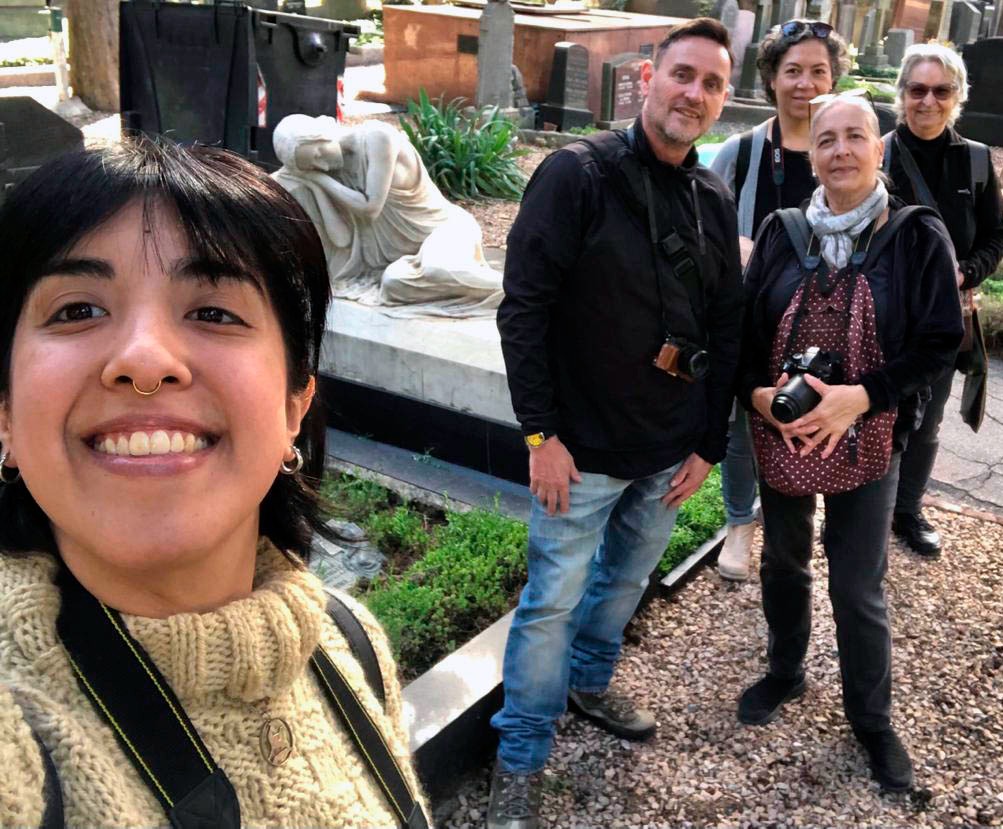
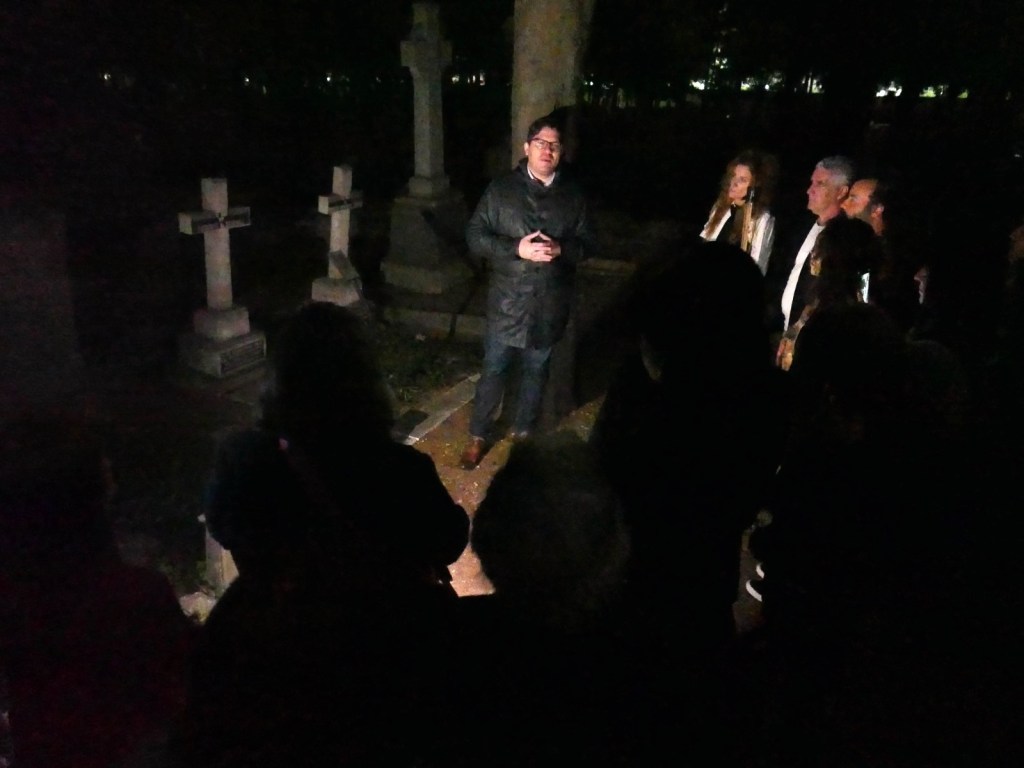
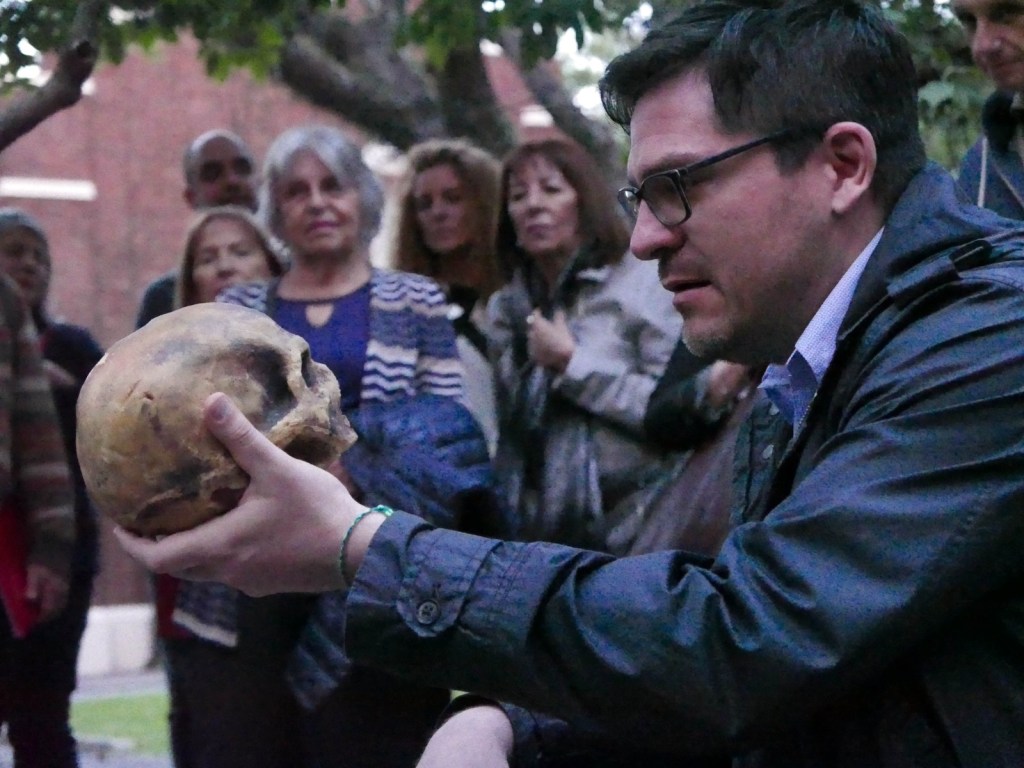
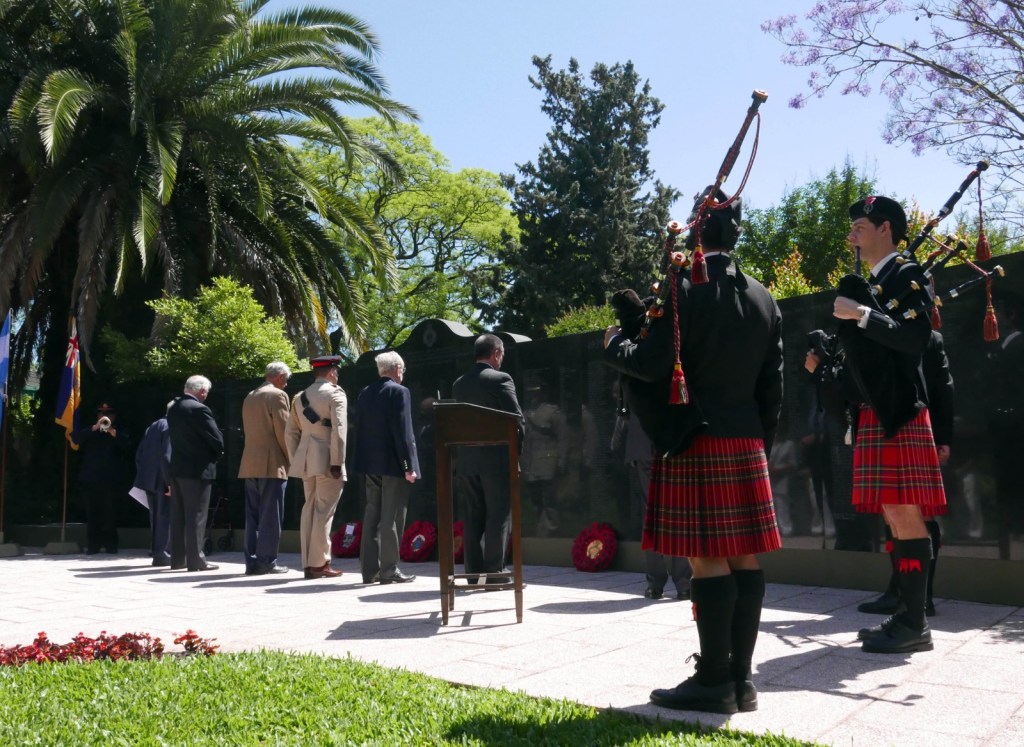
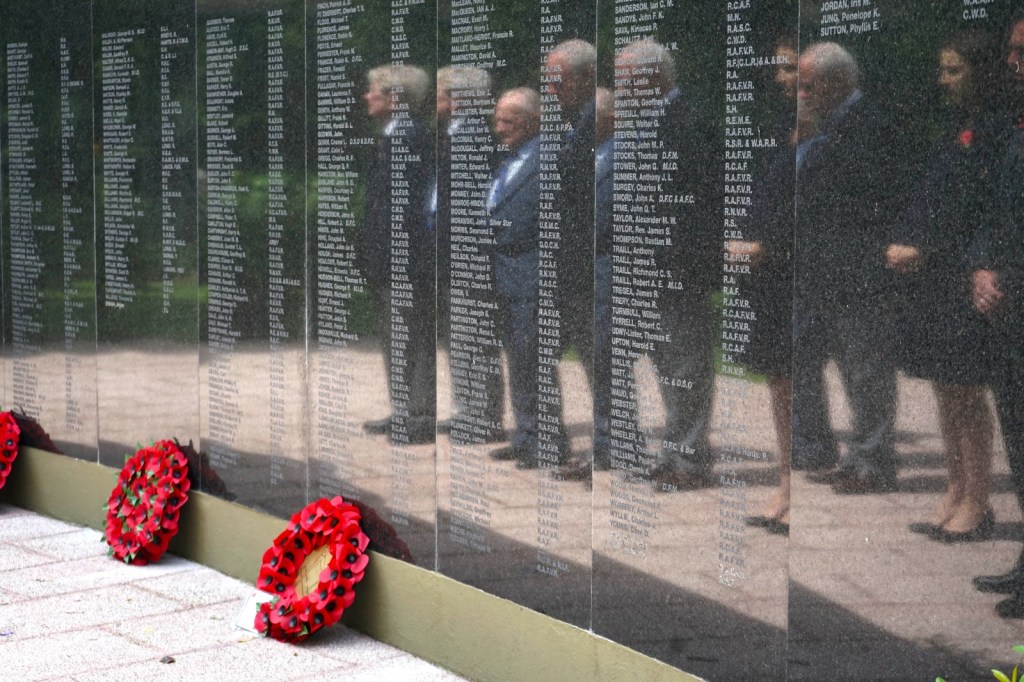
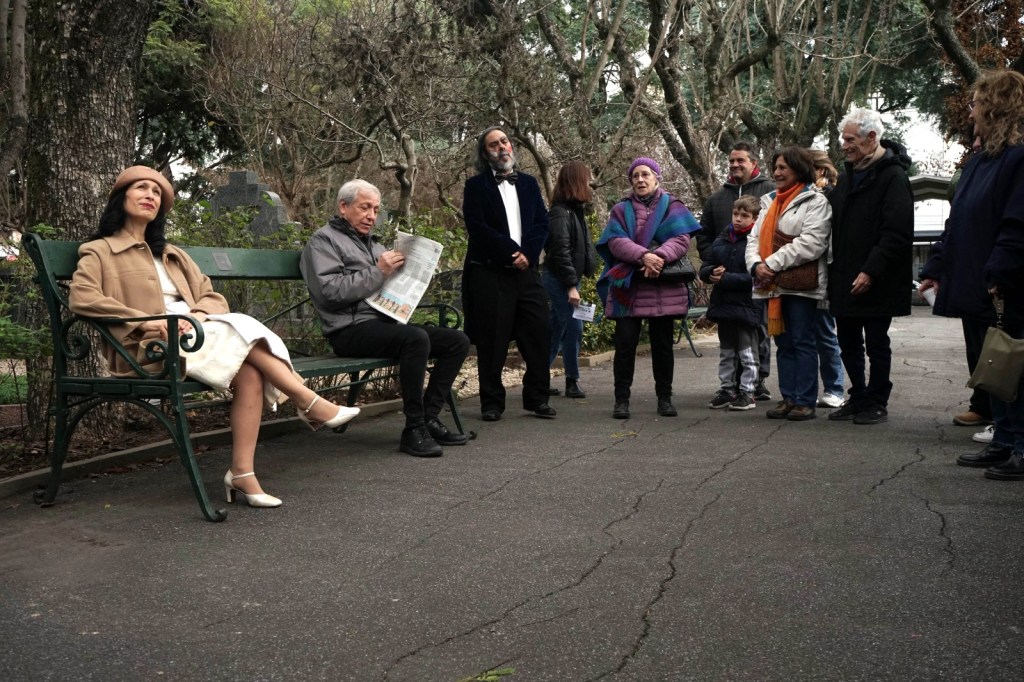
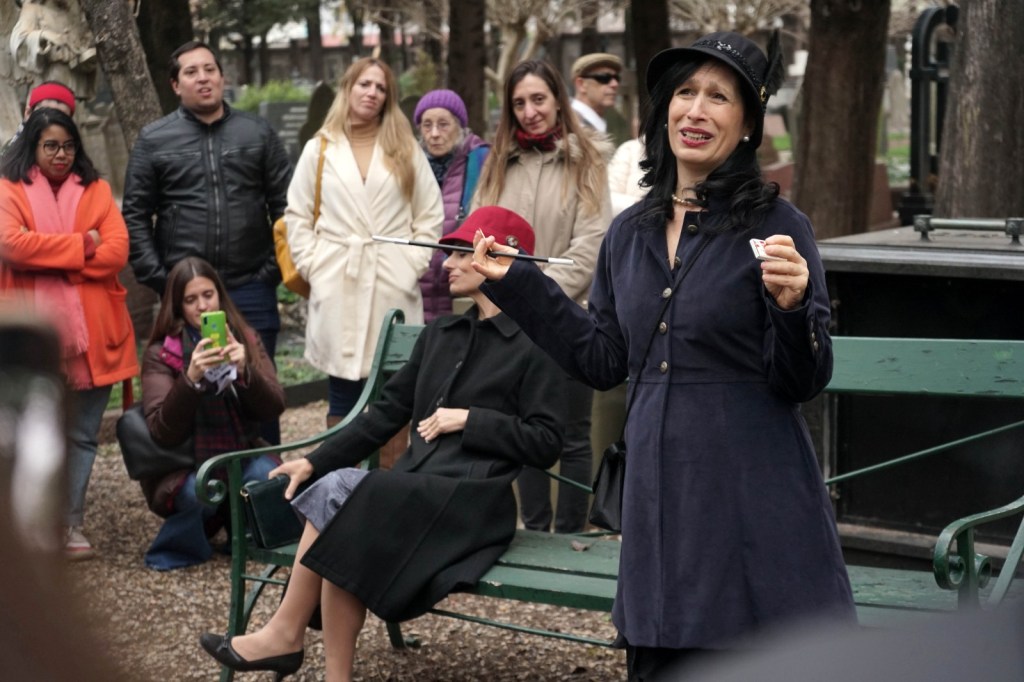
Algunas fueron presentaciones de libros, visitas guiadas teatralizadas, recorridos fotográfico, actuaciones de bandas de música para conmemorar diversos eventos, tanto militares como festivos, colaboraciones con el INCAA y BARS para proyecciones especiales de cine, interpretaciones de obras de Shakespeare, presentaciones de bandas de jazz, y visitas nocturnas guiadas por el historiador Eduardo Lazzari, entre muchas otras actividades.
However, the British Cemetery is not only a place of rest and historical monuments, but also organizes a wide variety of cultural and artistic activities that invite you to discover it in a different way.
These included book presentations, dramatized guided tours, photographic tours, band performances to commemorate various events, both military and festive, collaborations with INCAA and BARS for special film screenings, performances of Shakespeare’s plays, jazz band presentations, and night tours guided by historian Eduardo Lazzari, among many other activities.
Taller Luces, sombras y sentimientos organizado por Pablo Levaggi

Representación Hamlet
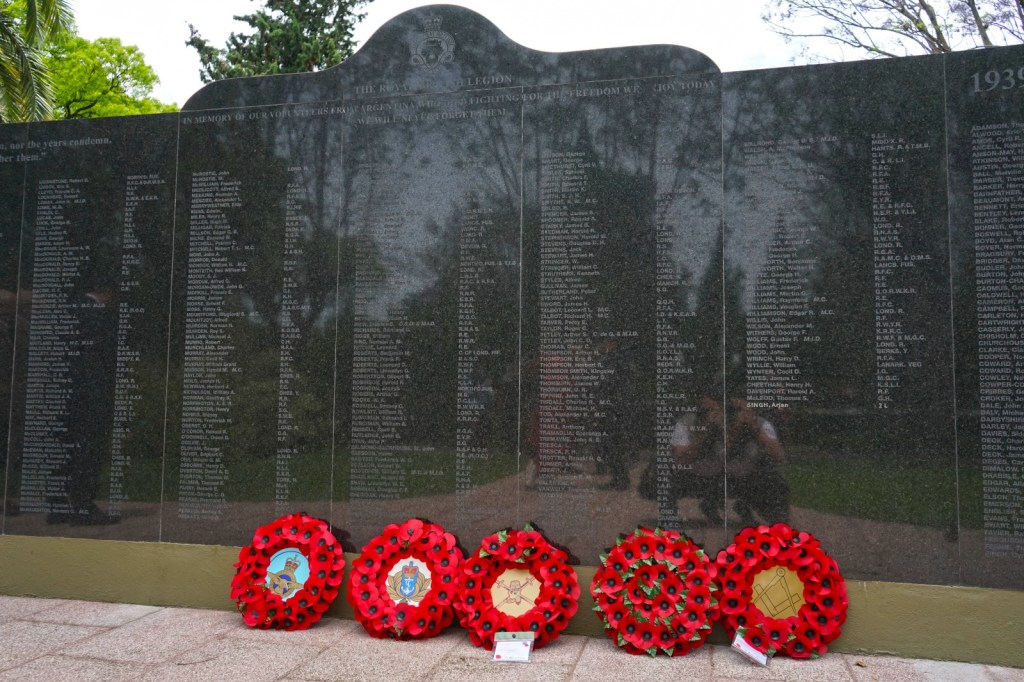
Remembrance Day
Paseo por la historia


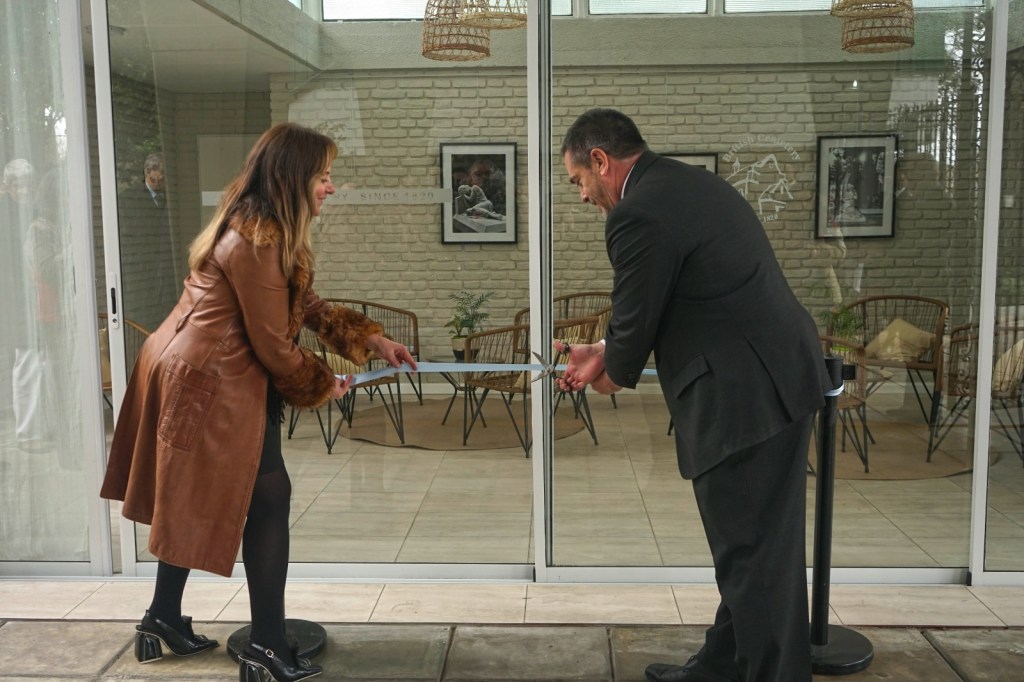
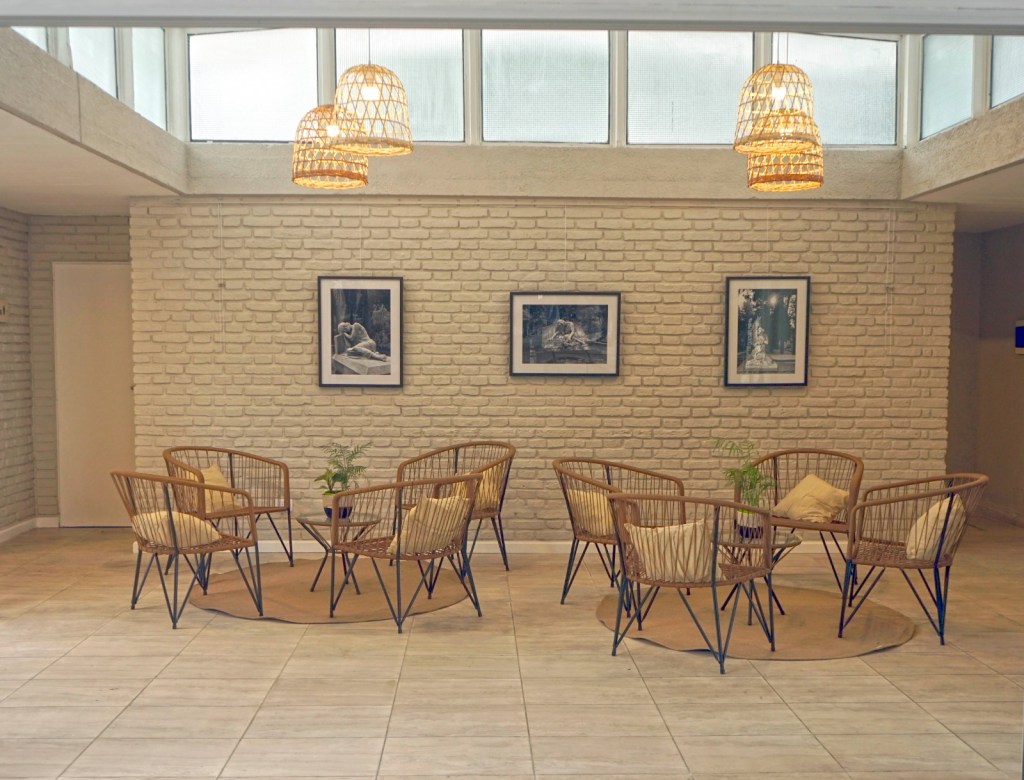
Al ingresar al cementerio encontrás una sala denominada Coffee Corner; un espacio decorado con colores cálidos que brindan paz y un lugar de reposo para quienes se acercan a acompañar a quienes partieron y es además el punto de encuentro para los que se acercan a hacer alguna de las actividades propuestas por la institución.
When you enter the cemetery you will find a room called Coffee Corner; a space decorated with warm colors that provide peace and a place of rest for those who come to accompany those who passed away and it is also the meeting point for those who come to do some of the activities proposed by the institution.
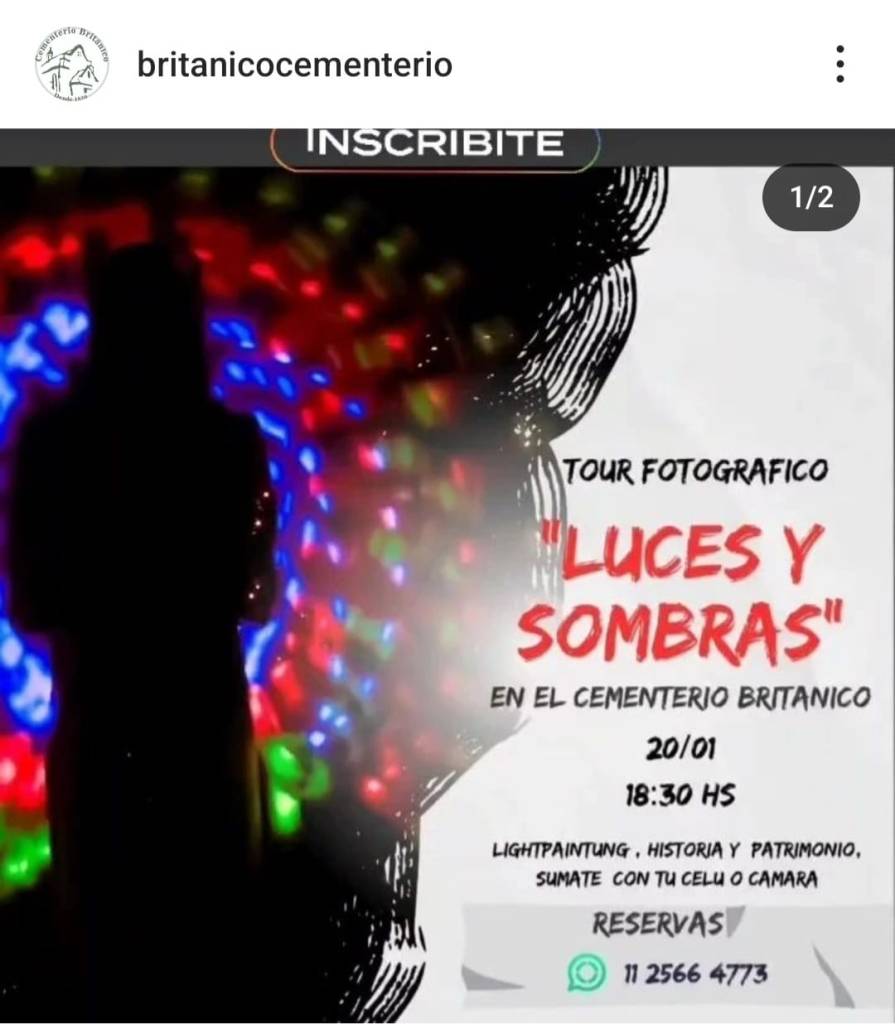
María Fernanda me comenta que habrá muchas más actividades durante el 2024 y las mismas comenzarán en enero, así que te invito a que los sigas en su Instagram https://www.instagram.com/britanicocementerio/ para enterarte sobre ellas.
Maria Fernanda tells me that there will be many more activities during 2024 and they will begin in January, so I invite you to follow them on their Instagram https://www.instagram.com/britanicocementerio/ to find out about them.

El Cementerio Británico forma parte de la Red Iberoamericana de Valoración y Gestión de Cementerios Patrimoniales y la Red Iberoamericana de Gestión y Valoración de Patrimonio Funerario. Gracias a esta red el Cementerio Británico está en contacto con cementerios Patrimoniales de todo el mundo para mantenerse actualizado. Además es considerado un Museo a cielo abierto. Y por los 203 años de historia es la institución privada más antigua de la Argentina.
A partir de la década del 90, el Cementerio Británico se encuentra abierto para recibir a todas las comunidades y religiones.
The British Cemetery is part of the Iberoamerican Network for the Valuation and Management of Heritage Cemeteries and the Iberoamerican Network for the Management and Valuation of Funerary Heritage. Thanks to this network, the British Cemetery is in contact with heritage cemeteries around the world to keep up to date. It is also considered an open-air museum. And for its 203 years of history it is the oldest private institution in Argentina.
Since the 1990s, the British Cemetery has been open to all communities and religions.

Quiero agradecer a María Fernanda Selva por su hospitalidad y dedicación para que mi visita fuera inolvidable, a Pablo Levaggi https://www.instagram.com/pablolevaggi.ph/quien con toda gentileza me acercó las fotos que le solicité para este artículo y a Soledad Saubidet https://www.instagram.com/descubriendo.buenosaires/ por haberme recomendado este rincón con tanta historia de la Argentina y que te invito a que pases a ver.
I would like to thank María Fernanda Selva for her hospitality and dedication to make my visit unforgettable, Pablo Levaggi https://www.instagram.com/pablolevaggi.ph/who kindly gave me the photos I requested for this article and Soledad Saubidethttps://www.instagram.com/descubriendo.buenosaires/ for recommending me this corner with so much history of Argentina, which I invite you to visit.

(*) Podes encontrar más detalles sobre la historia de este espacio en el artículo de Oscar Andrés De Masi https://www.cementeriobritanico.org.ar/Sintesis-historica-del-Cementerio-Britanico.pdf
Contacto Cementerio Británico
 VIAJES CRONICAS ARTE
Deja un comentario