
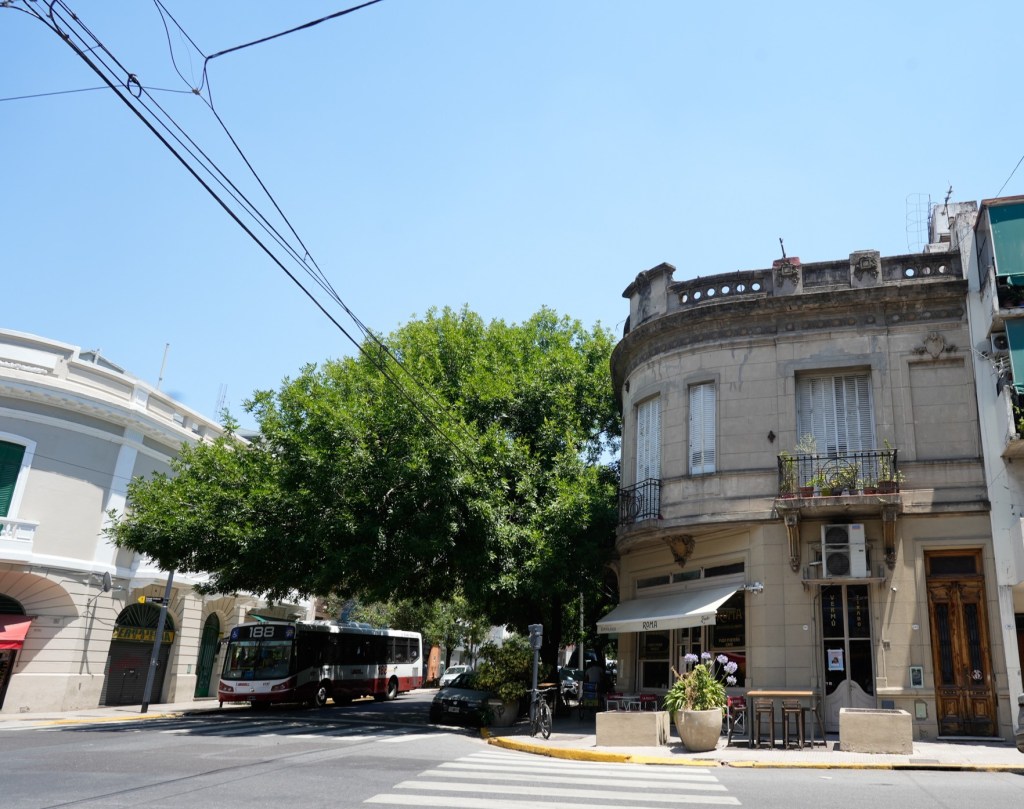
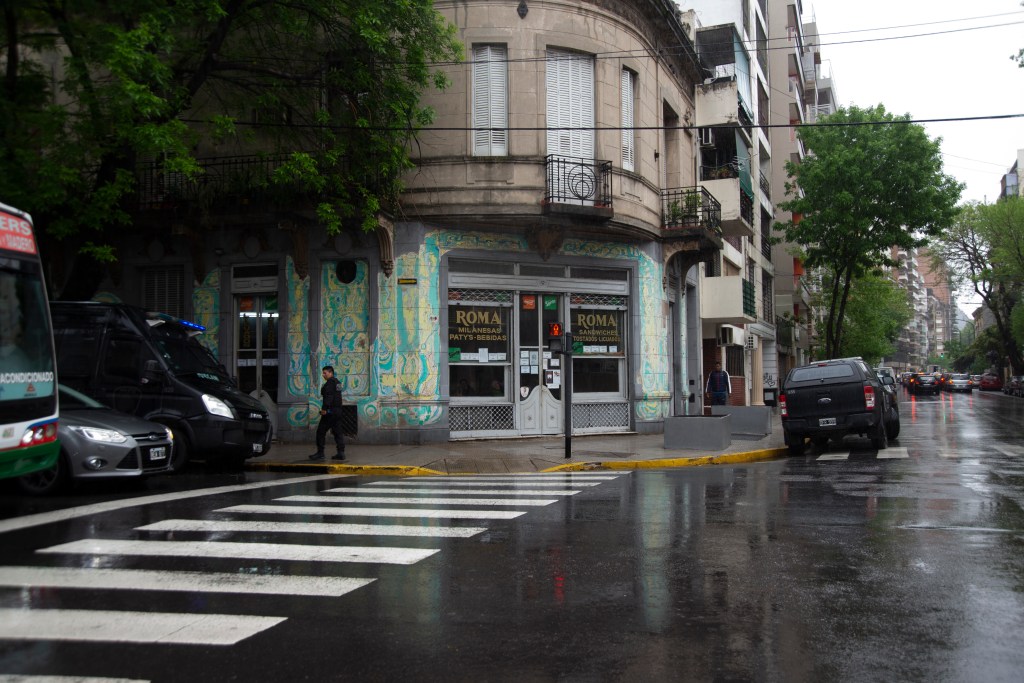
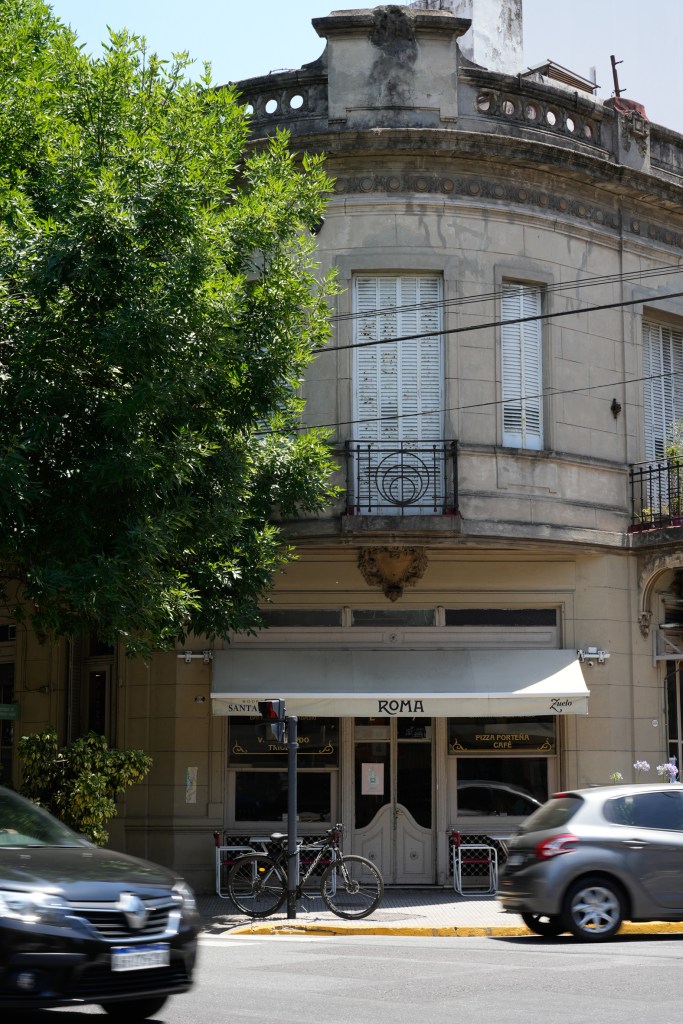
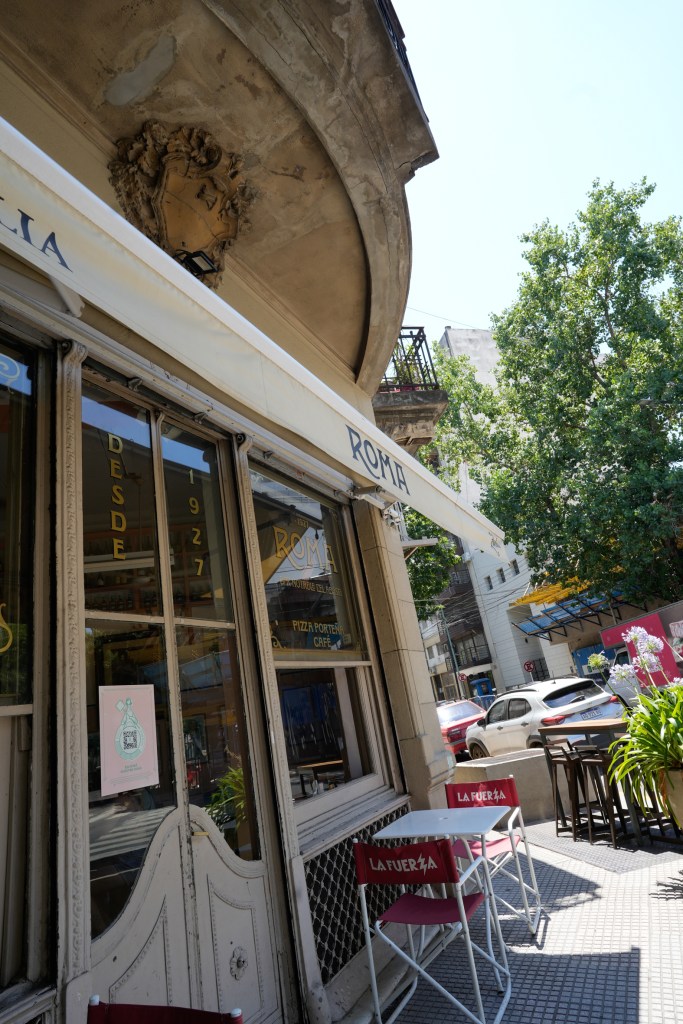
Anchorena 806, Abasto, Buenos Aires, Argentina
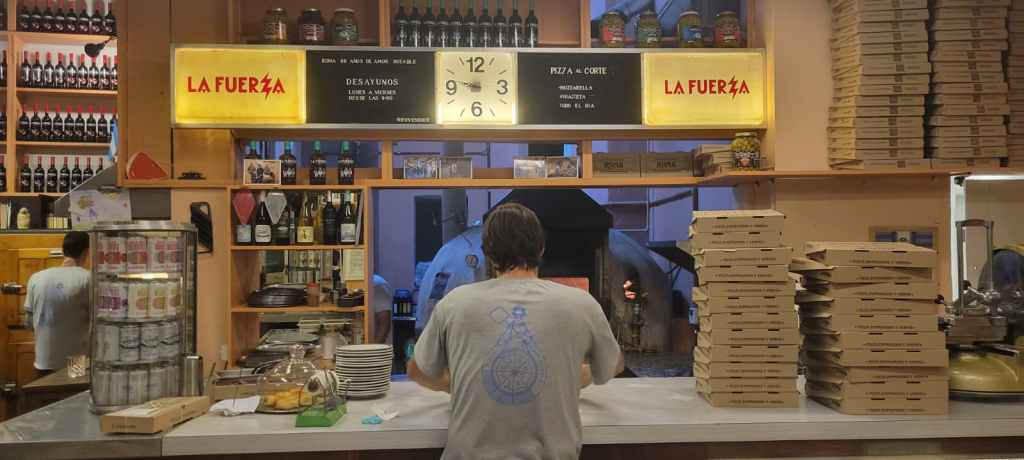
Mientras estuve en Buenos Aires aproveché para recorrer bares notables, esos lugares que son los guardianes de la historia de la ciudad y que mantienen su espíritu a pesar del paso del tiempo. Fue Florencia Dragovetsky de otro notable Los Galgos https://www.instagram.com/losgalgosbar/ quien me nombró al Roma https://www.instagram.com/romadelabasto/ y me puso en contacto con Martín Auzmendi a quien le agradezco la generosidad por, además de responder a mis preguntas, haber puesto a disposición material fotográfico para esta nota.
El Roma fue inaugurado en 1927 como bar, almacén y fiambrería, luego en 1952 Jesús y Laudino tomaron la posta hasta que en el 2019 inició una nueva vida con los socios fundadores de La Fuerza https://www.instagram.com/lafuerzabar/ Sebastián Zuccardi, Agustín Camps, Julián Diaz y Martín Auzmendi.
While I was in Buenos Aires, I visited notable bars, those places that are guardians of the city’s history and maintain its spirit despite the passage of time. It was Florencia Dragovetsky from another notable bar, Los Galgos (https://www.instagram.com/losgalgosbar/), who told me about Roma (https://www.instagram.com/romadelabasto/) and put me in touch with Martín Auzmendi, whom I thank for his generosity in answering my questions and providing photographic material for this article.
Roma opened in 1927 as a bar, grocery store, and cold cuts shop. Then, in 1952, Jesús and Laudino took over until 2019, when it began a new chapter with the founding partners of La Fuerza https://www.instagram.com/lafuerzabar/ Sebastián Zuccardi, Agustín Camps, Julián Diaz, and Martín Auzmendi.
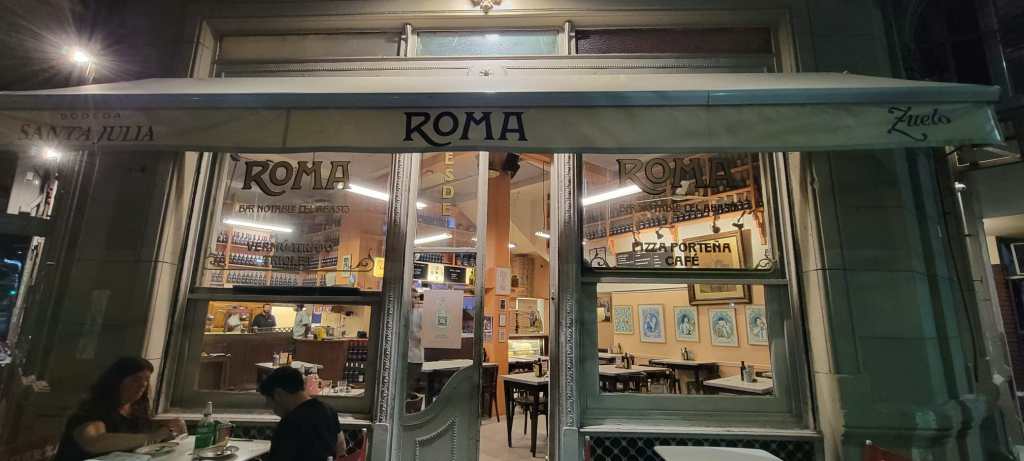
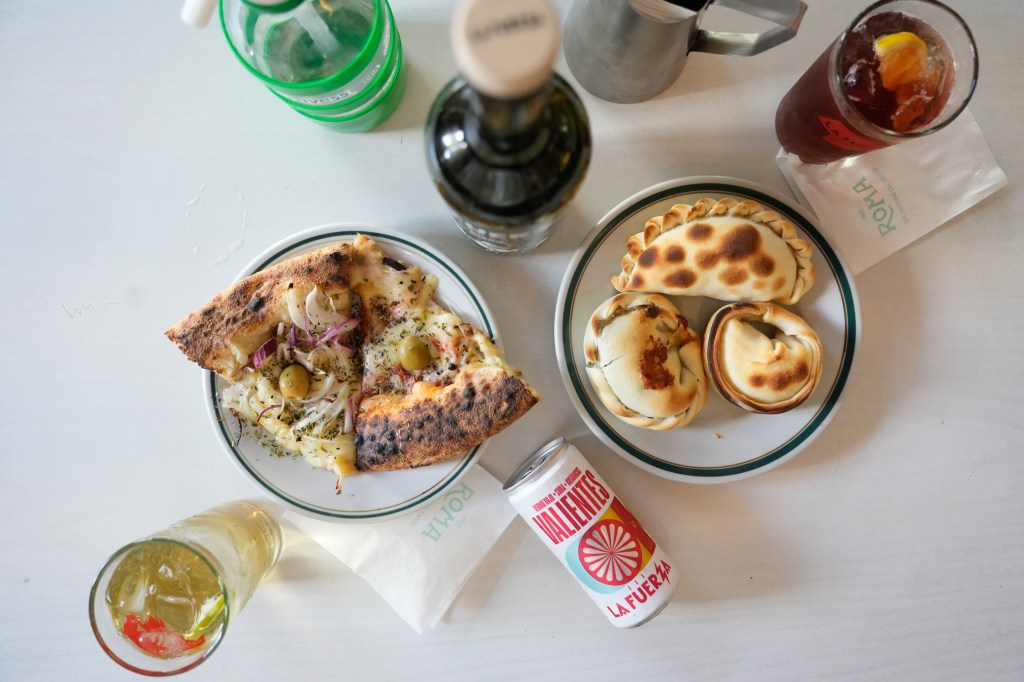
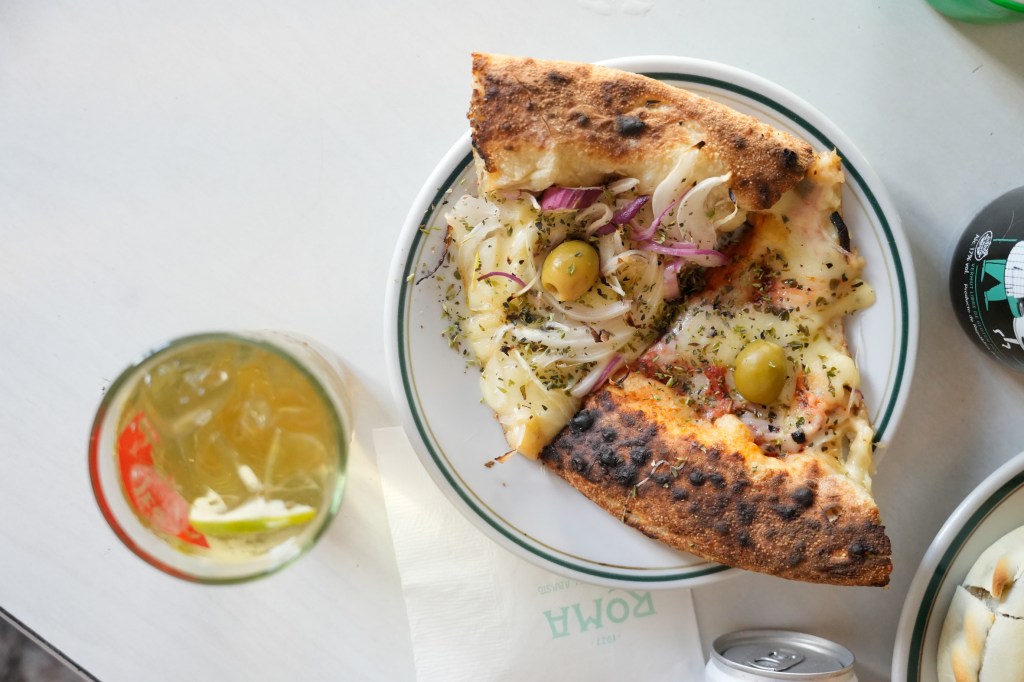
Fui al barrio del Abasto con la excusa perfecta: visitar el Roma, probar su pizza, las empanadas y tomar un vermú. Apenas llegué, me enamoré del lugar. Mesas en la vereda con gente disfrutando de una noche de verano, sin importar que fuese lunes.
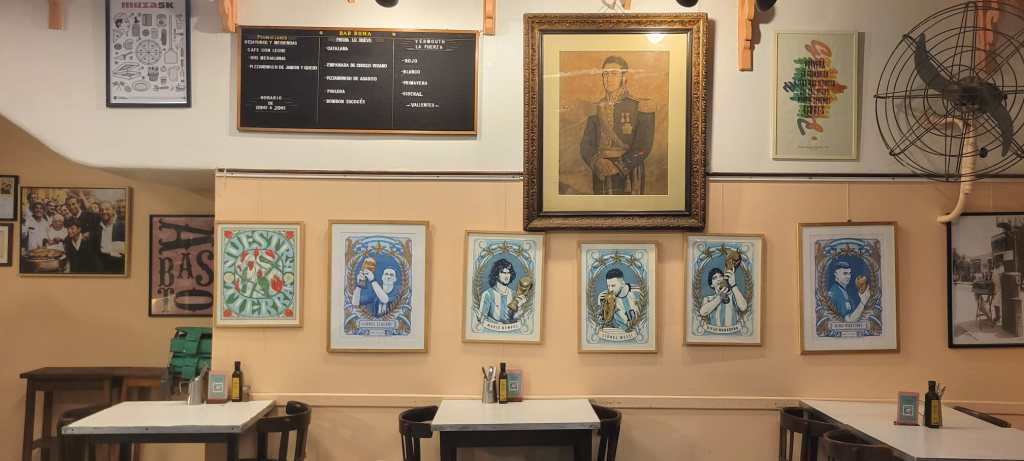
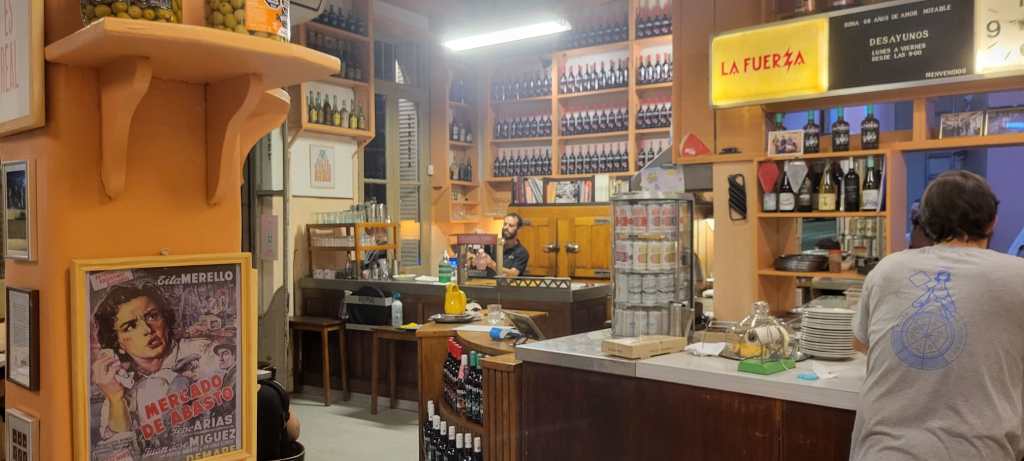
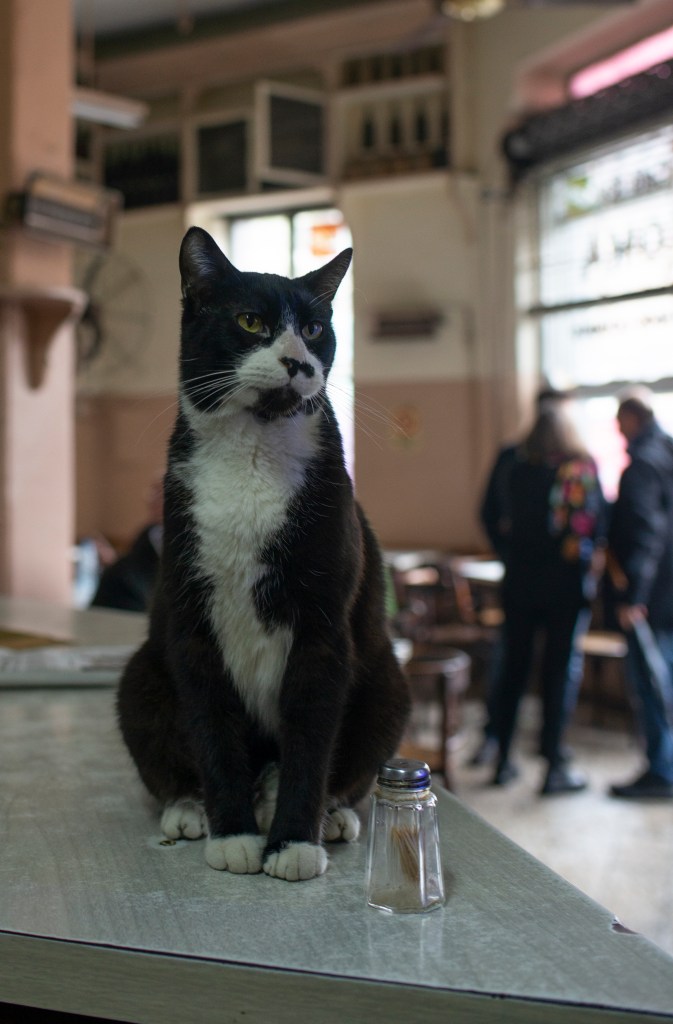
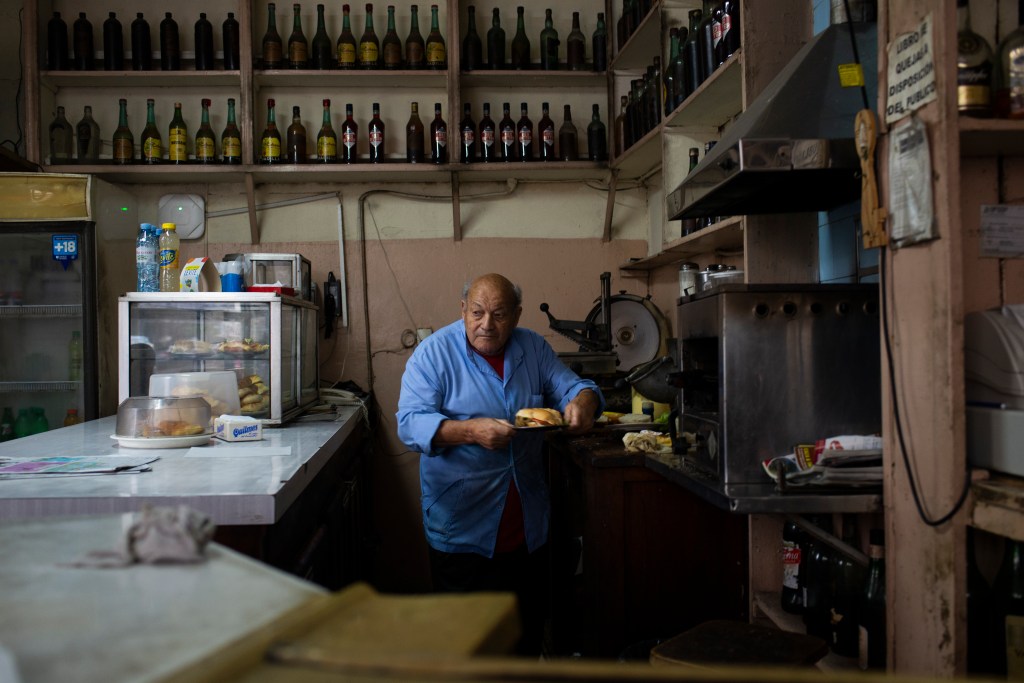
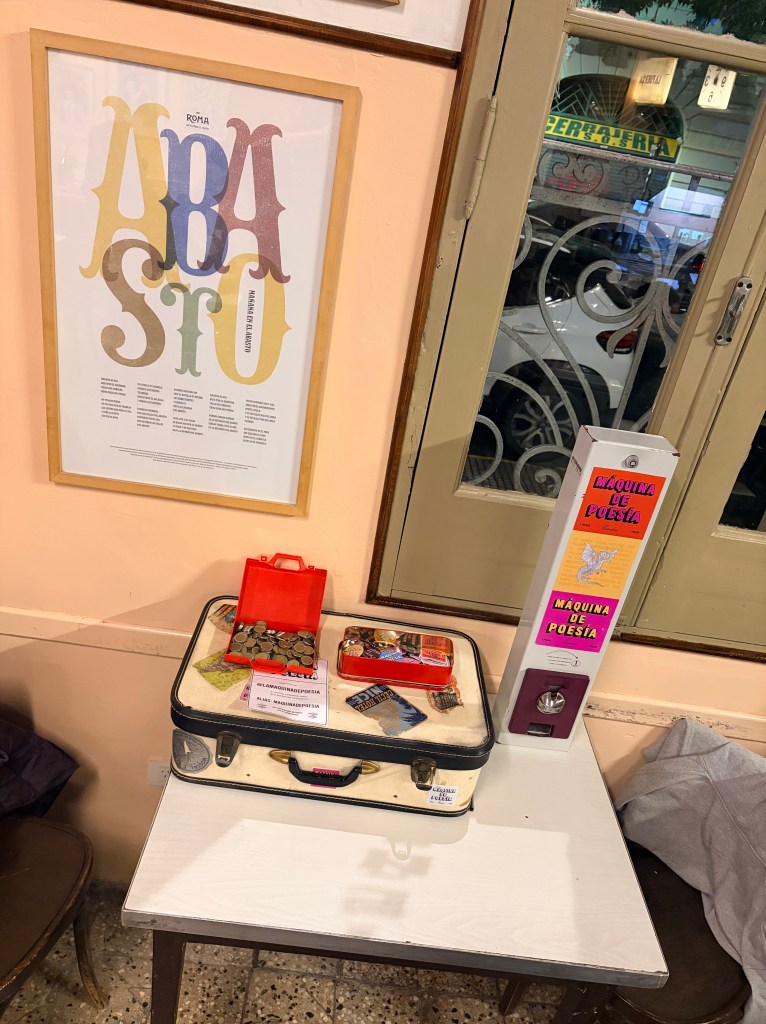
Al entrar me llamó la atención el cuidado por sostener una estética de bar vintage pero a la vez con toques modernos: pingüinos en colores pastel, un retrato de San Martín escoltado por otros «héroes» esta vez del fútbol argentino, Scaloni, Kempes, Maradona, Messi y el Dibu Martínez. Los sifones, clásicos entre clásicos, estanterías decoradas con botellas de vermú La Fuerza, algunos cuadros, algo de fileteado porteño y una heladera mostrador de esas tan habituales en otra época.
I went to the Abasto neighborhood with the perfect excuse: to visit Roma, try their pizza and empanadas, and have a vermouth. As soon as I arrived, I fell in love with the place. Tables on the sidewalk with people enjoying a summer night, even though it was Monday.
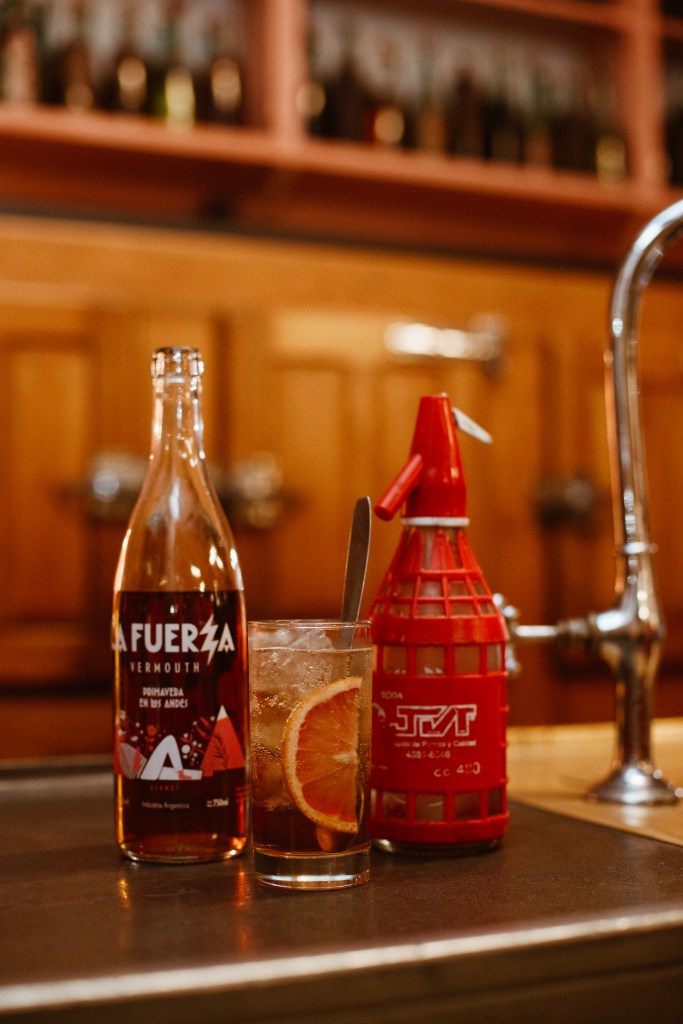
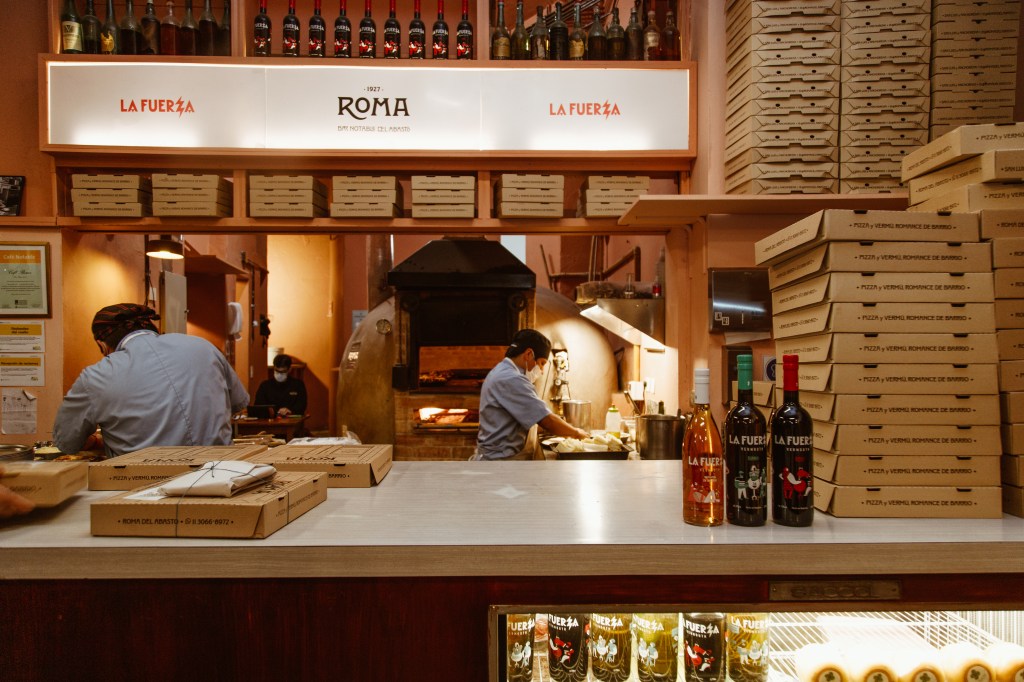
When I walked in, I was surprised by the care taken to maintain a vintage bar aesthetic while adding modern touches: pastel-colored penguins (traditional wine decanters), a portrait of San Martín flanked by other “heroes,” this time from Argentine soccer—Scaloni, Kempes, Maradona, Messi, and Dibu Martínez. The soda siphons, classics among classics, shelves decorated with bottles of La Fuerza vermouth, a few paintings, some Buenos Aires fileteado (traditional decorative painting), and a counter refrigerator of the kind so common in another era.
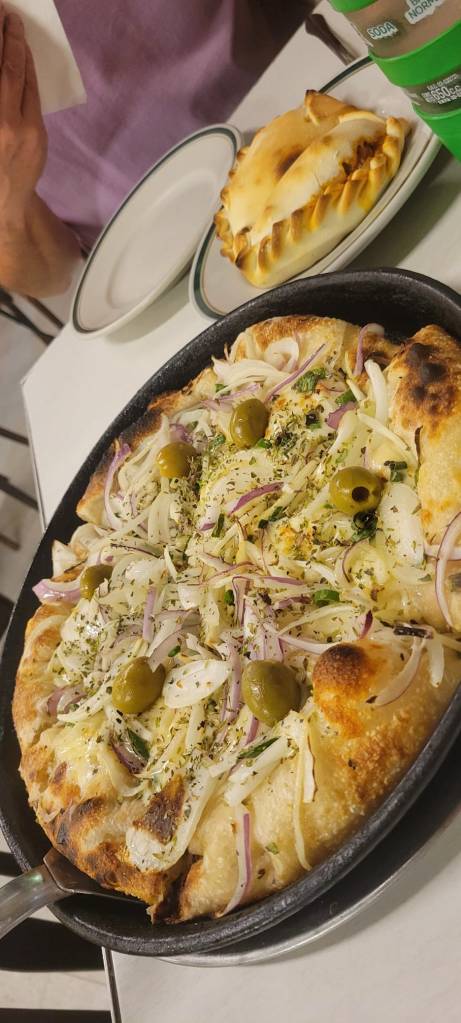
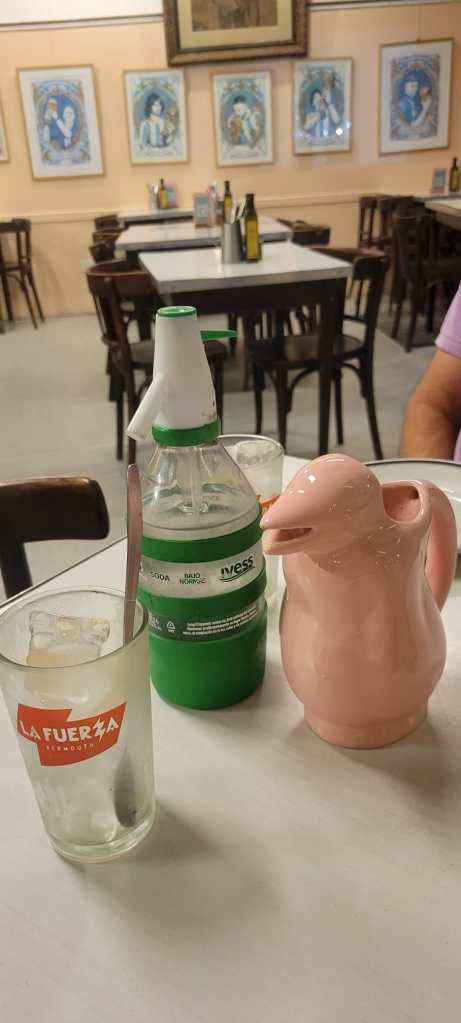
Y después, lo más importante: la carta, variada, la comida deliciosa y la gente que trabaja ahí, que con su atención cálida y atenta termina de darle al Bar Roma ese toque perfecto que hace que uno quiera quedarse un rato más y por supuesto volver.
Con Martín Auzmendi no pudimos coincidir en persona pero si tuve la oportunidad de hacerle varias preguntas sobre este proyecto de recuperación de un bar notable que los invito a acompañar y apoyar.
And then, most importantly: the varied menu, the delicious food, and the staff, whose warm and attentive service gives Bar Roma that perfect touch that makes you want to stay a little longer and, of course, come back again.
We couldn’t meet Martín Auzmendi in person, but I did have the opportunity to ask him several questions about this project to restore a notable bar, which I invite you to follow and support.
LzT: Si bien tanto vos como tus socios no son nuevos en el rubro gastronomía quisiera saber cómo y cuándo surgió la idea de hacerse cargo del Bar Roma? Qué fue lo que los atrajo del lugar?
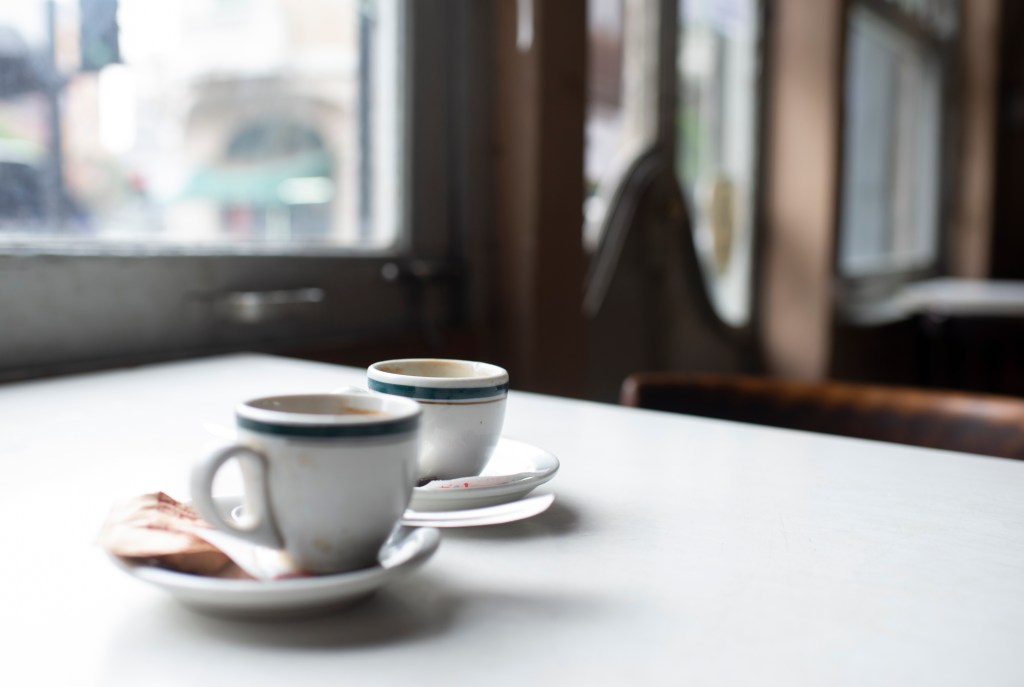
MA: Es una historia curiosa, en el 2019 pasé por Roma de casualidad. Iba caminando por Buenos Aires y entré a tomar un café. Saqué fotos y le escribí a Julián Diaz, preguntando si conocía el bar. Me dijo que si y comentamos que sería lindo recuperarlo. Pero no era un plan.
Meses después Julián me escribió que le habían ofrecido tomar Roma. Casualidad entre nuestra
charla y esa posibilidad. Nos pareció una linda aventura. Teníamos la experiencia de Julián con Los Galgos https://www.instagram.com/losgalgosbar/ y nos parecía una linda idea recuperar el bar y armarle una propuesta que terminó siendo de pizza porteña, empanadas y el vermú La Fuerza.
Tanto La Fuerza https://www.instagram.com/lafuerzabar/ como Roma vehiculizan nuestra pasión por la identidad y lo local. Hablamos con los dueños, Jesús y Laudino, que nos contaron que habían rechazado varias propuestas y cuando nos conocimos y les contamos lo que queríamos hacer, que era continuar la historia del bar
confiaron en nosotros y nos metimos en el proyecto.
LzT: Although both you and your partners are not new to the restaurant business, I would like to know how and when the idea of taking over Bar Roma came about. What attracted you to the place?
MA: It’s a pretty interesting story. In 2019, I was in Rome by chance. I was walking around Buenos Aires and stopped in for a coffee. I took some photos and texted Julián Diaz, asking if he knew the bar. He said yes, and we talked about how cool it would be to bring it back. But it wasn’t a plan.
A few months later, Julián wrote to me saying he had been offered the chance to take over Roma. It was a coincidence between our conversation and that possibility. It seemed like a nice adventure to us. We had Julián’s experience with Los Galgos https://www.instagram.com/losgalgosbar/, and we thought it would be a good idea to take over the bar and put together a proposal that ended up being Buenos Aires-style pizza, empanadas, and La Fuerza vermouth.
Both La Fuerza https://www.instagram.com/lafuerzabar/ and Roma https://www.instagram.com/romadelabasto/ convey our passion for identity and local culture. We spoke with the owners, Jesús and Laudino, who told us that they had rejected several proposals. When we met and told them what we wanted to do, which was to continue the bar’s history, they trusted us and we got involved in the project.
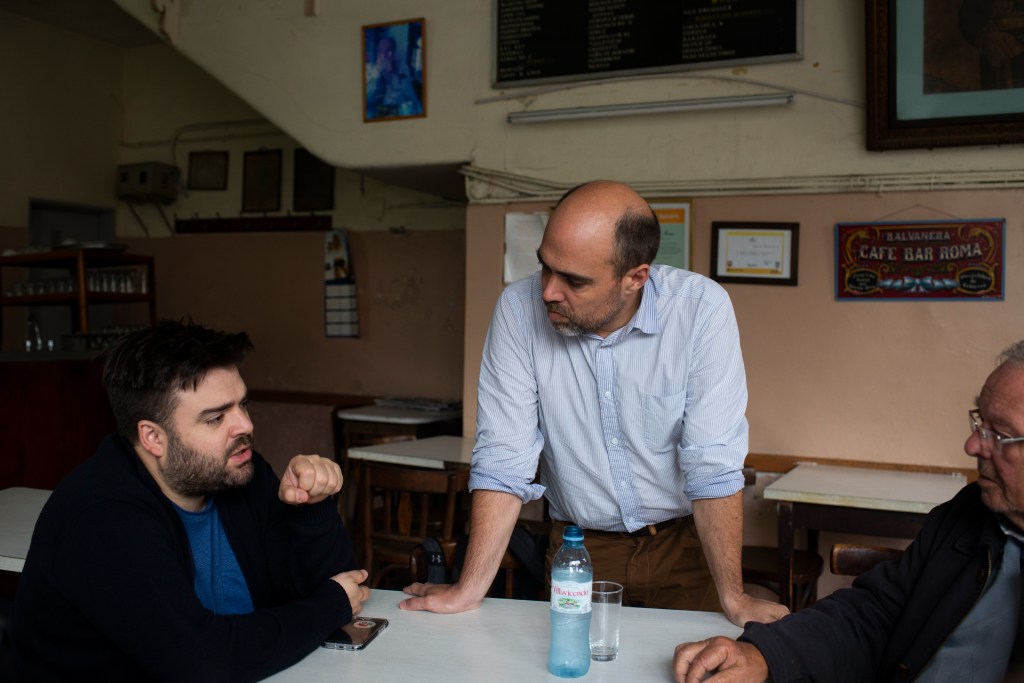
LzT: Roma es un bar que se fundó en 1927. ¿Cómo fue el equilibrio para respetar esa identidad y a la vez incorporar algo propio? ¿Qué cosas sintieron que no debían cambiar?
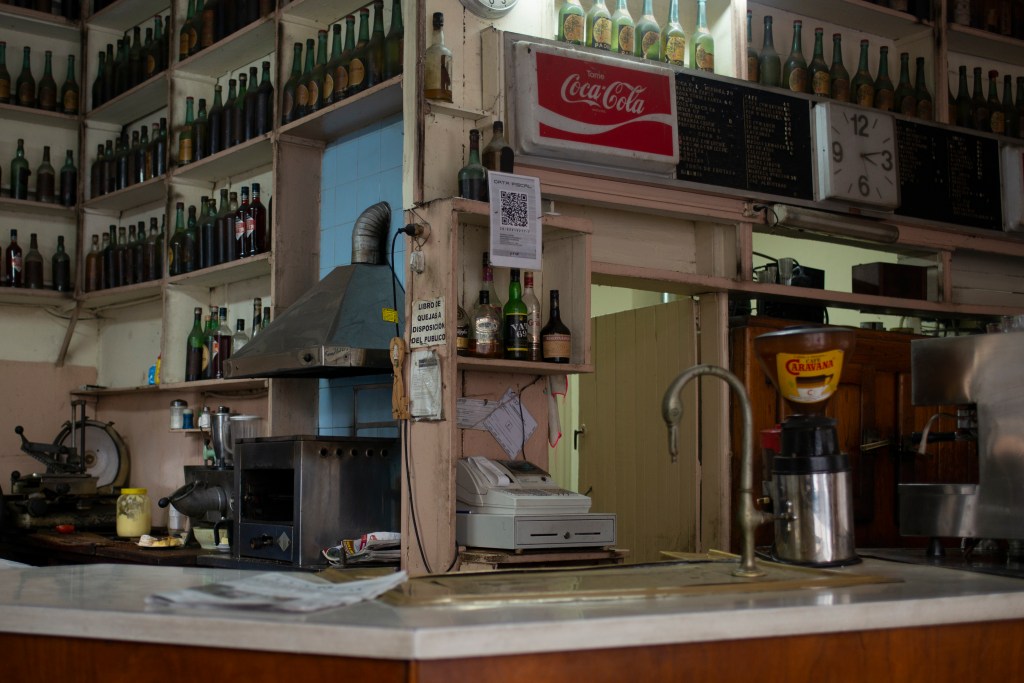
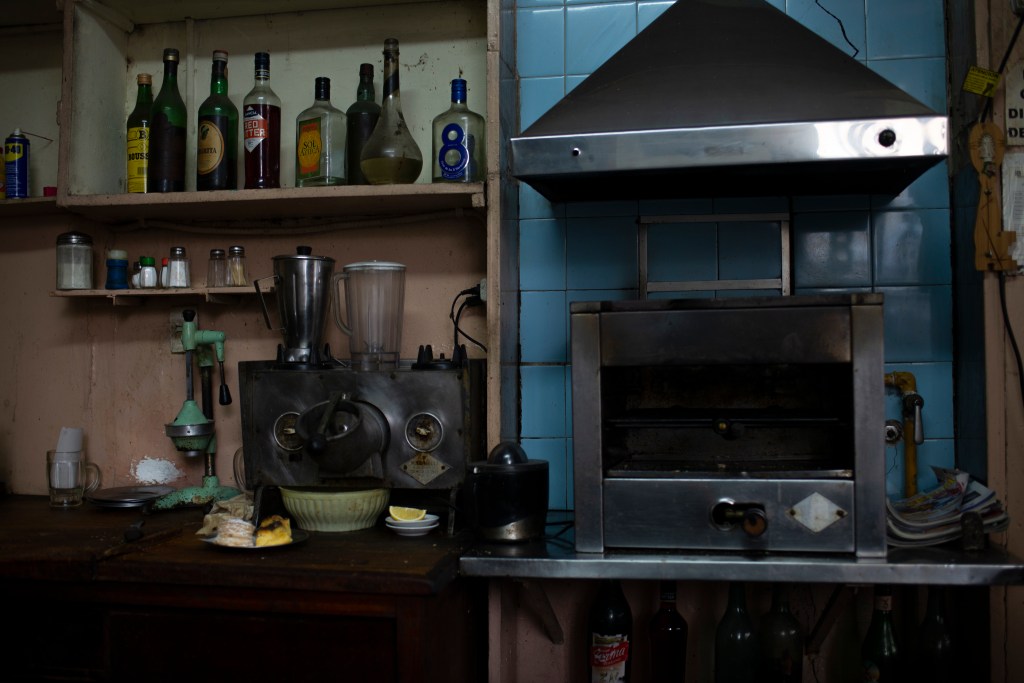
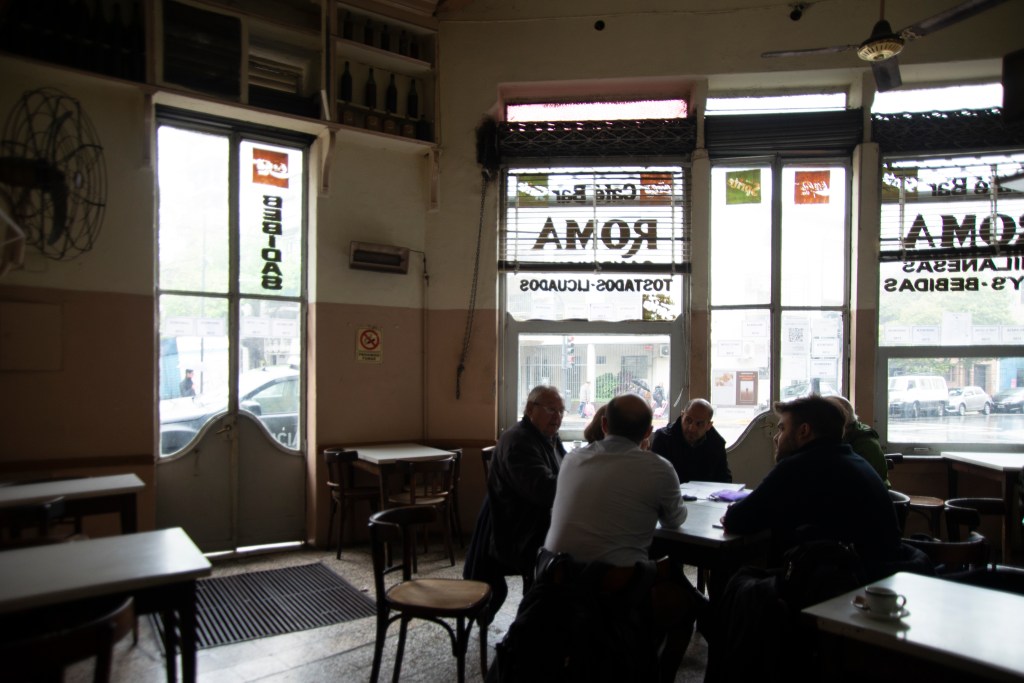
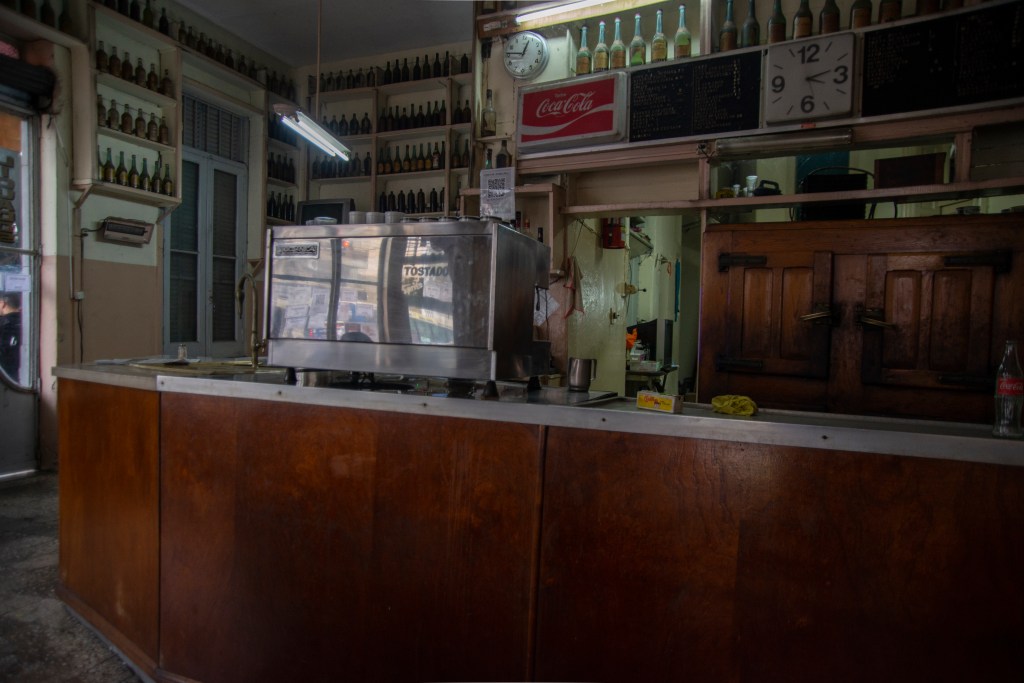
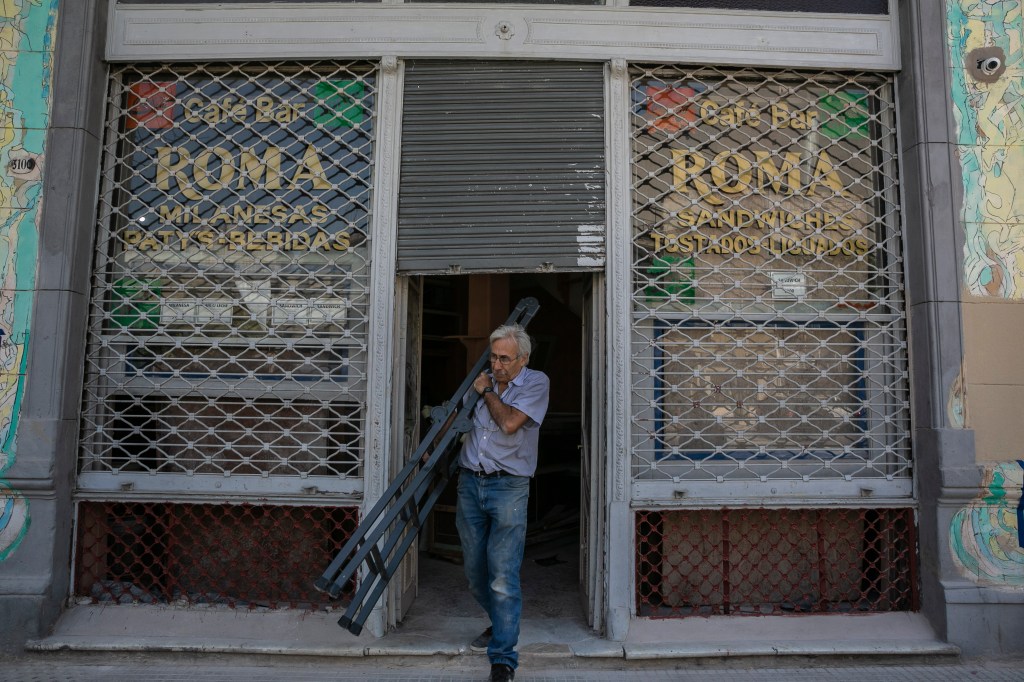
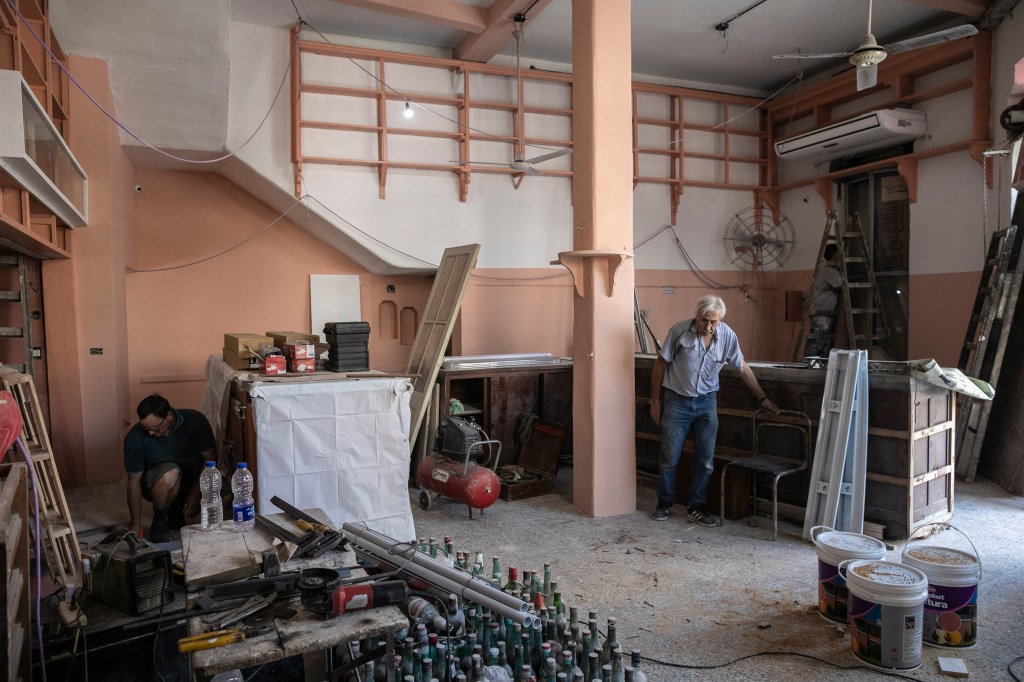
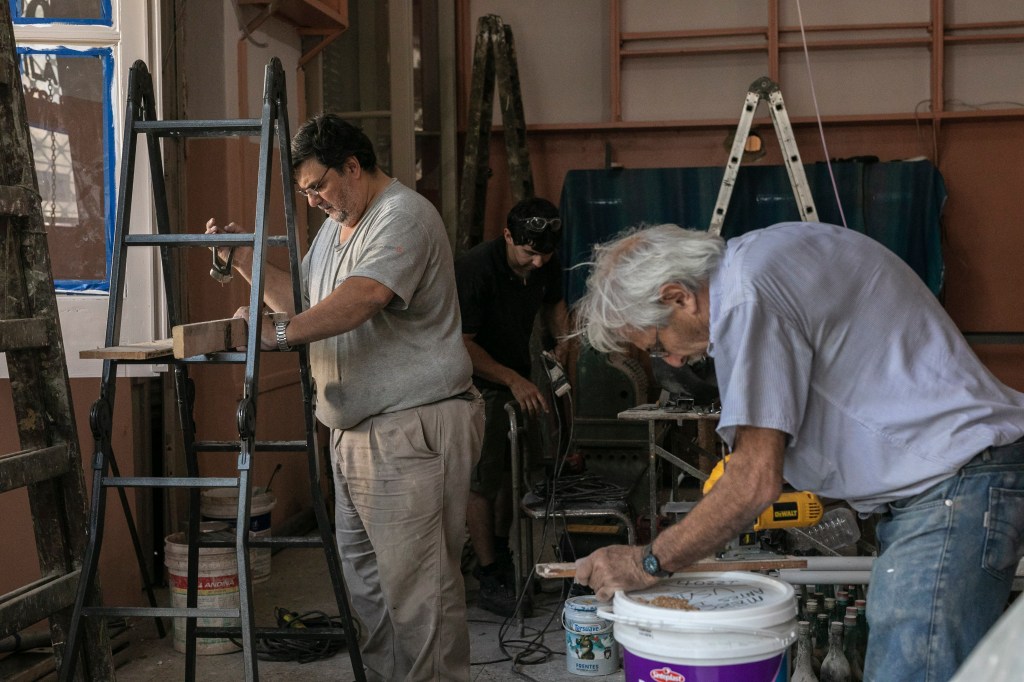
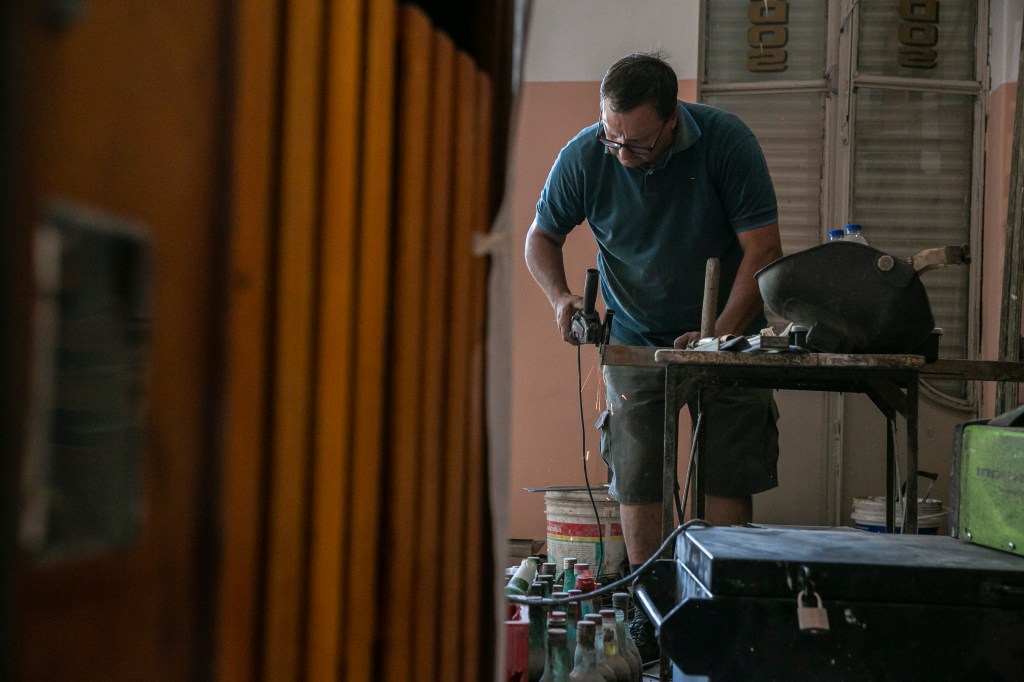
MA: En principio nos dedicamos a conocer su historia y recorrido, hablando con Jesús y Laudino, convocamos a vecinos y a quienes lo conocieron para que nos contaran sus historias, también investigamos sobre el barrio. Cuando cerramos el bar para comenzar la obra de restauración pusimos un cartel que decía que Roma no cerraba, estábamos construyendo el futuro de su historia, con un contacto y una cuenta de Instagram para que nos pudieran escribir. En esa cuenta fuimos contando todo lo que estábamos haciendo. Buscamos recuperar el edificio y todas las cosas, muebles, heladeras, objetos que fueran recuperables. Luego buscamos armar una propuesta que fuera auténtica, genuina y de calidad.
LzT: Roma is a bar that was founded in 1927. How did you strike a balance between respecting that identity and incorporating something of your own? What things did you feel should not be changed?
MA: At first, we focused on learning about its history and journey, talking to Jesús and Laudino, inviting neighbors and those who knew it to tell us their stories, and researching the neighborhood. When we closed the bar to begin the restoration work, we put up a sign saying that Roma wasn’t closing, we were building the future of its history, with a contact number and an Instagram account so people could write to us. On that account, we shared everything we were doing. We wanted to restore the building and everything in it—furniture, refrigerators, objects—that could be recovered. Then we worked to put together a proposal that was authentic, genuine, and high-quality.
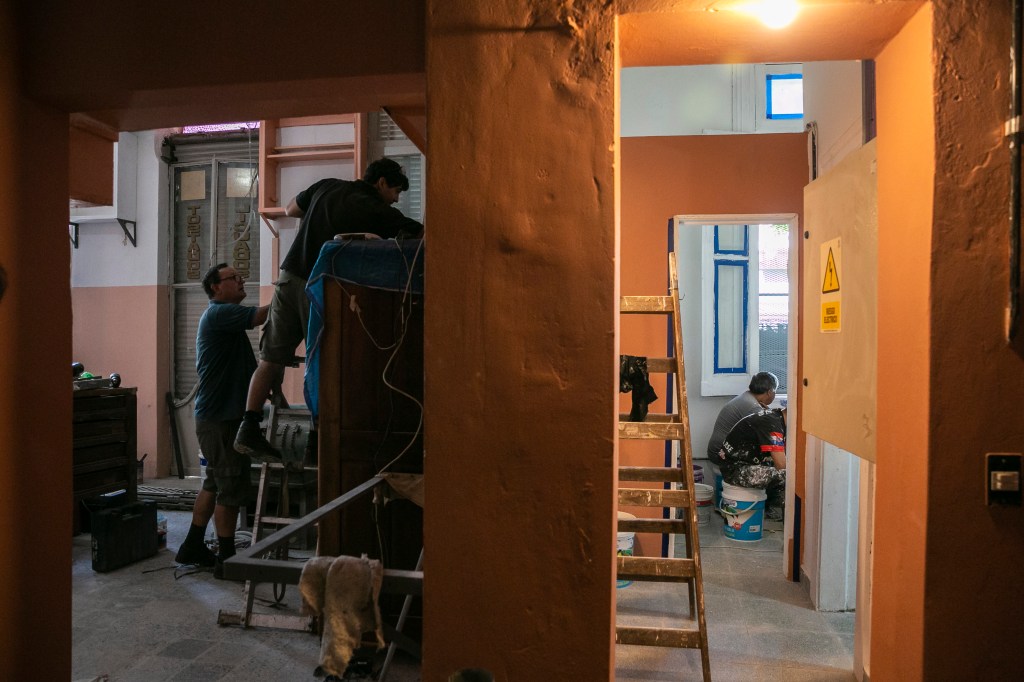
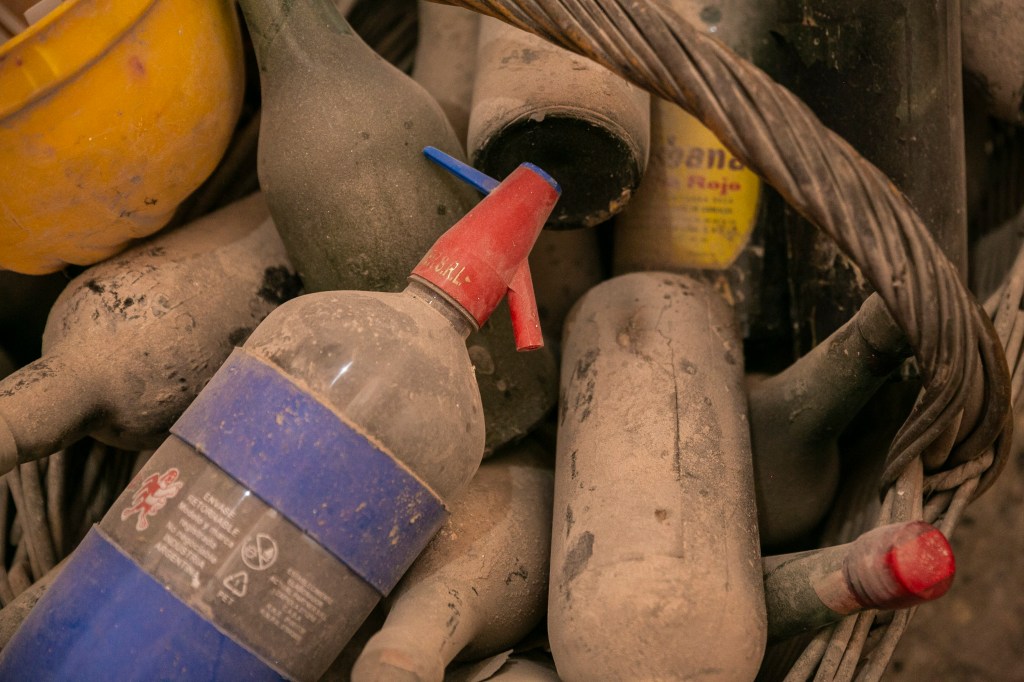
Fotos Sebastián Pani – Agradecimiento https://www.instagram.com/agenciaoido/
LzT: ¿Cuánto duró el proceso de remodelación del local? ¿Hubo algún hallazgo o detalle del lugar que apareció durante la obra que los haya sorprendido?
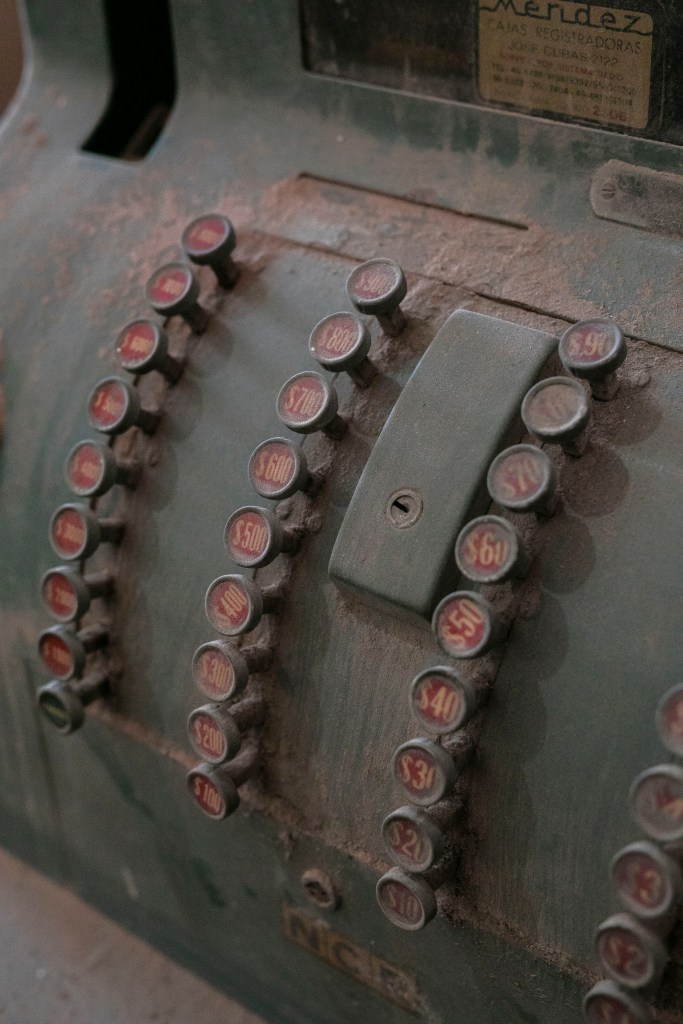
MA: El proceso duró entre cuatro y cinco meses. Recuperamos todos los objetos que se podían recuperar, consolidamos la estructura del edificio y le pensamos una funcionalidad para la propuesta.
Por ejemplo, decidimos hacer pizza porteña trabajando sobre la calidad de la masa, eso nos hizo pensar en una fermentación en frío de 48 horas y todo ese proceso lo pensamos desde
el sótano que estaba abandonado. Hoy toda esa producción comienza ahí y nos permite hacer la pizza de la manera que queremos y nos parece mejor.
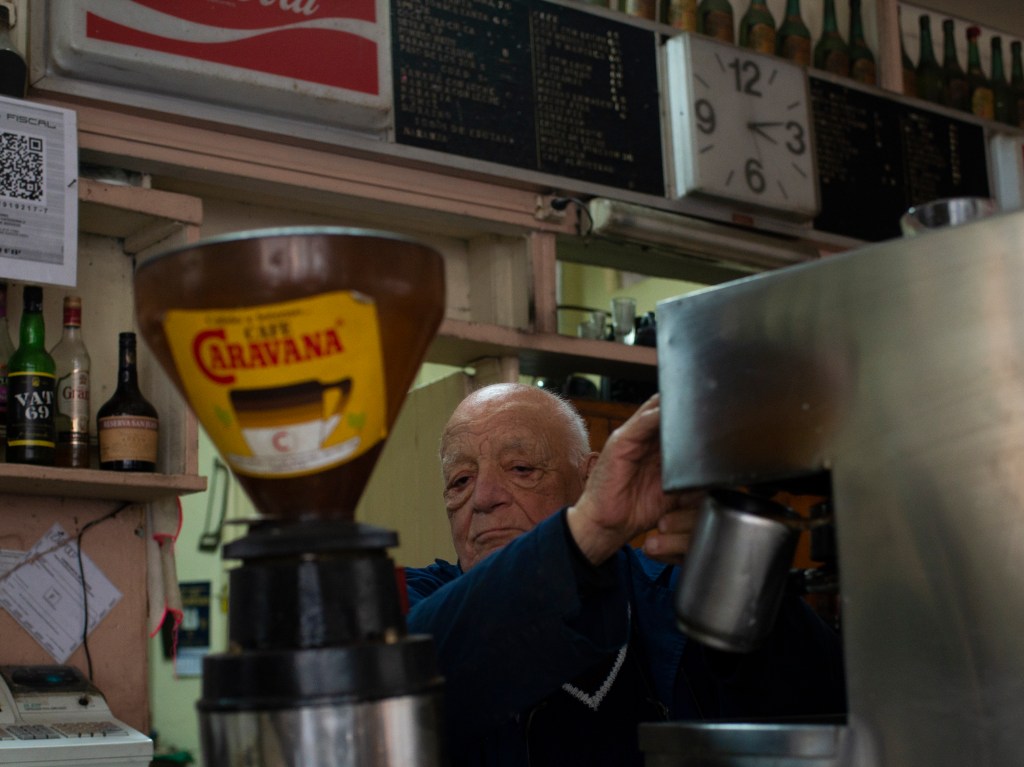
Recuperamos la heladera
mostrador, la de madera de puertas, el cuadro de San Martín que restauró una vecina, las mesas, las sillas, el cartel que esta sobre la barra y varias cosas más. Ah! También la
Berkel (cortadora de fiambre), que estaba tapada de suciedad y ni se sabía que era de esta marca legendaria.
LzT: How long did the renovation process take? Were there any discoveries or details about the place that surprised you during the work?
MA: The process took between four and five months. We recovered all the objects that could be recovered, consolidated the structure of the building, and came up with a functional use for the proposal.
For example, we decided to make Buenos Aires-style pizza, focusing on the quality of the dough. That led us to consider a 48-hour cold fermentation process, and we thought through the entire process from the abandoned basement. Today, all of that production begins there, allowing us to make pizza the way we want and think is best.
We recovered the countertop refrigerator, the wooden doors, the painting of San Martín that a neighbor restored, the tables, the chairs, the sign above the bar, and several other things. Oh! Also the Berkel (meat slicer), which was covered in dirt and you couldn’t even tell it was from this legendary brand.
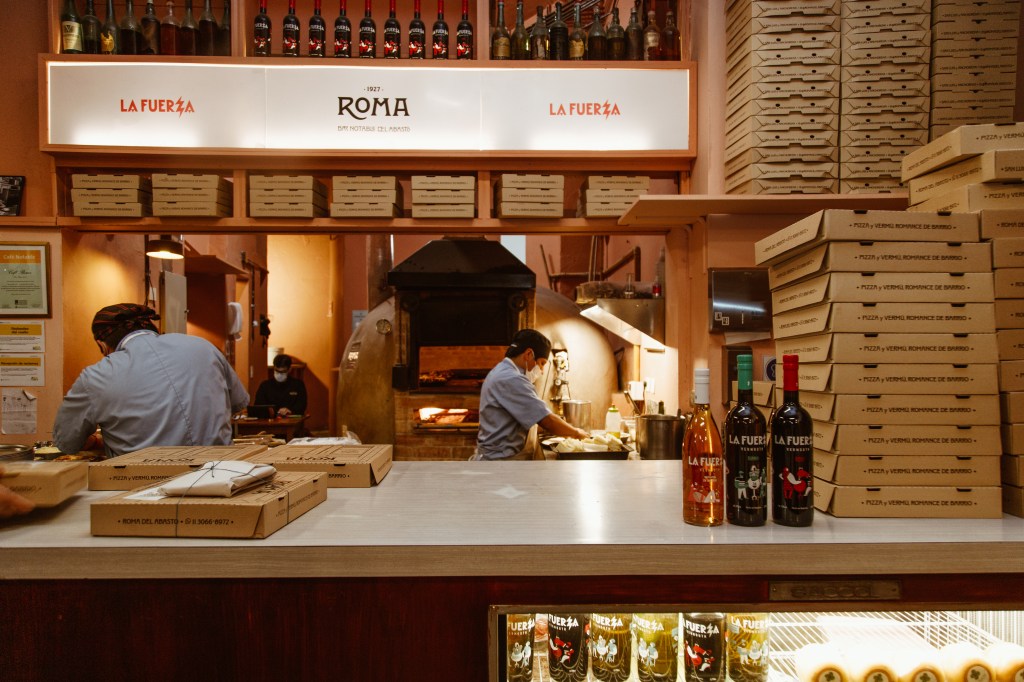
LzT: Como comentaste, y soy testigo, el menú del Roma tiene las pizzas porteñas pero con un toque “de autor” ¿lo pensaron así desde el primer momento?¿Cada cuánto cambian la carta y qué cosas influyen en esas
decisiones?
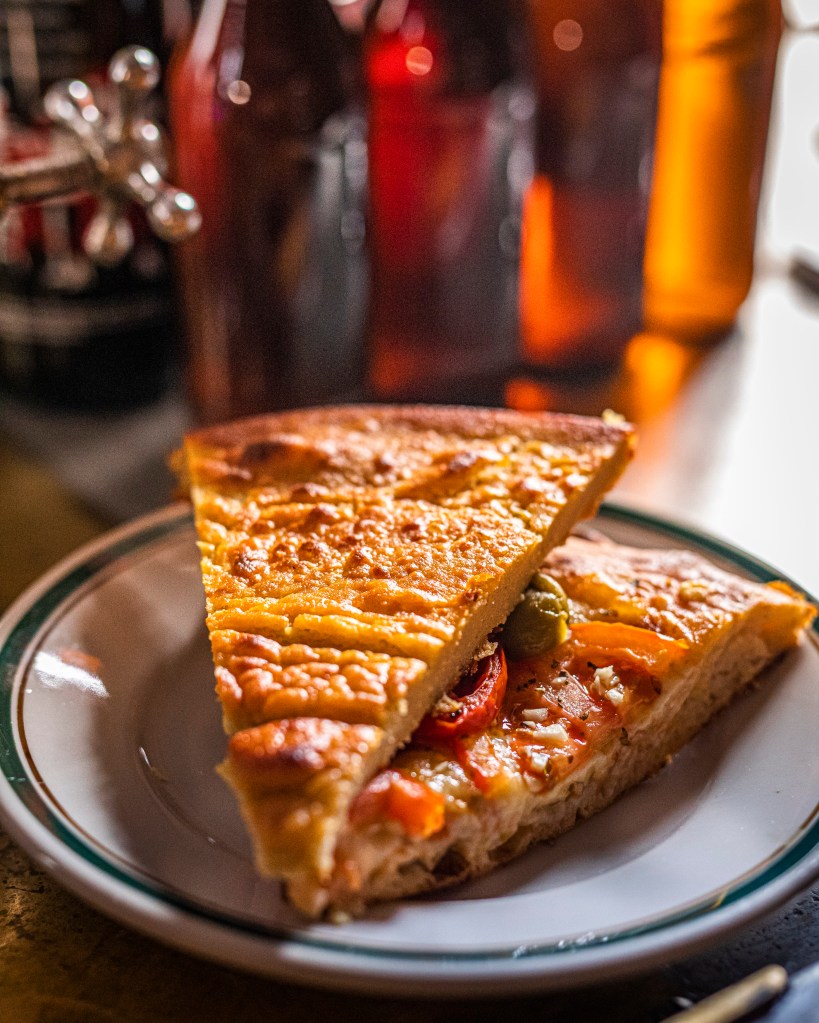
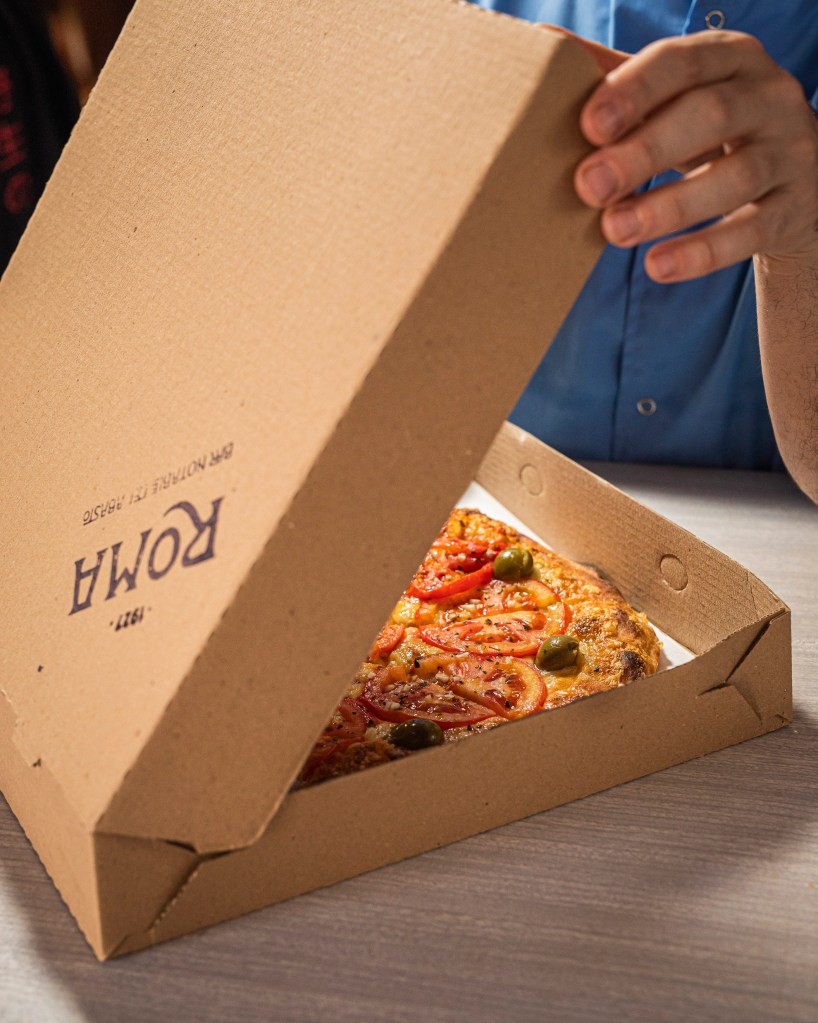
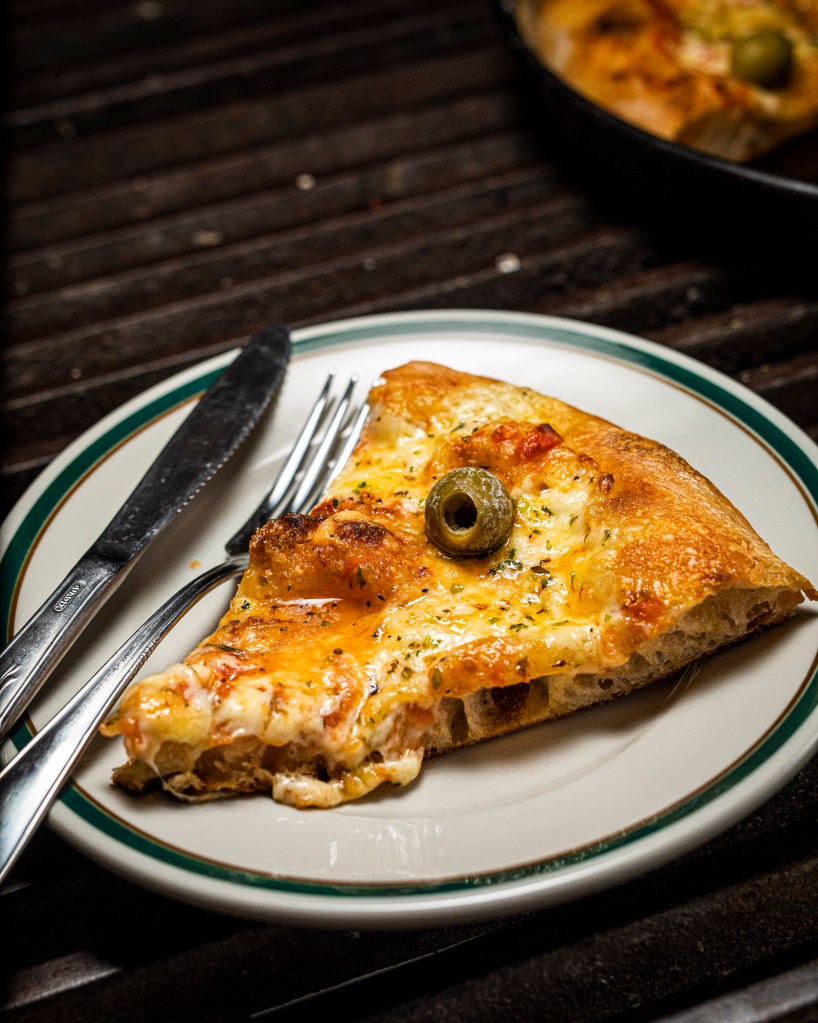
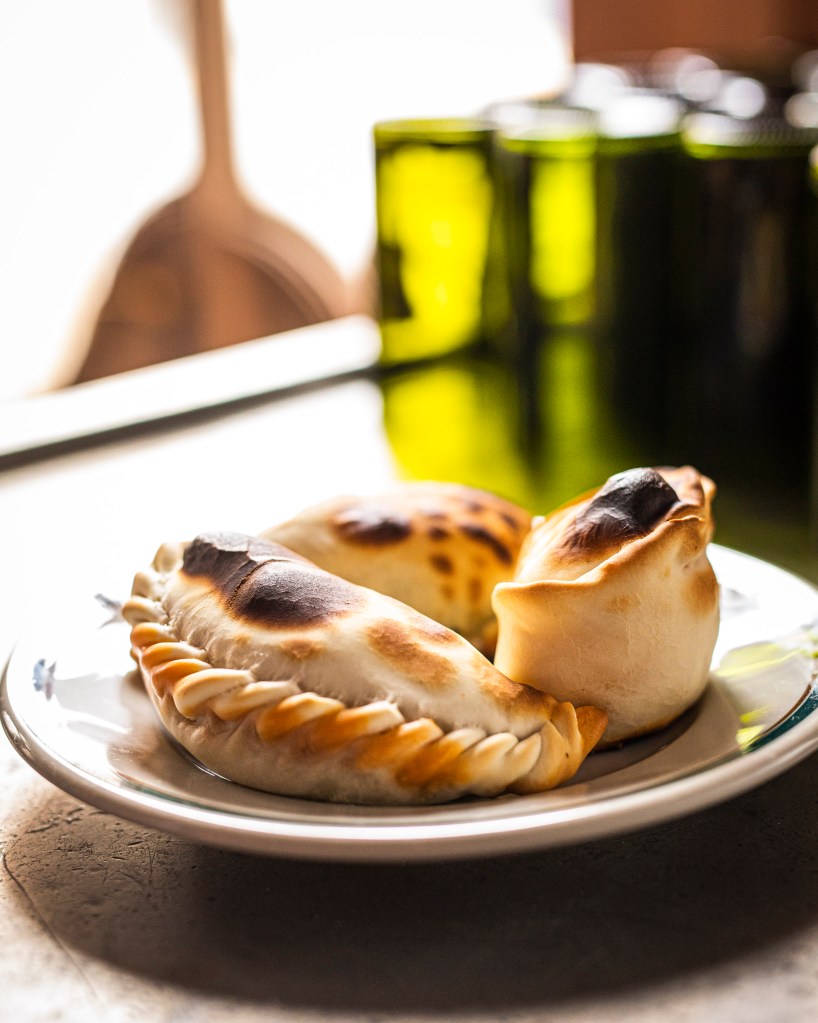
MA: Queríamos hacer pizza porteña, al molde en horno tradicional. A partir de ahí pensamos
en tener algunas clásicas, como muzzarella, fugazzeta normal y rellena. Pero después empezamos a trabajar sobre una idea nuestra porque algo que define a la pizza porteña es que está vinculada a la mezcla de culturas y a la creatividad de esa mezcla.
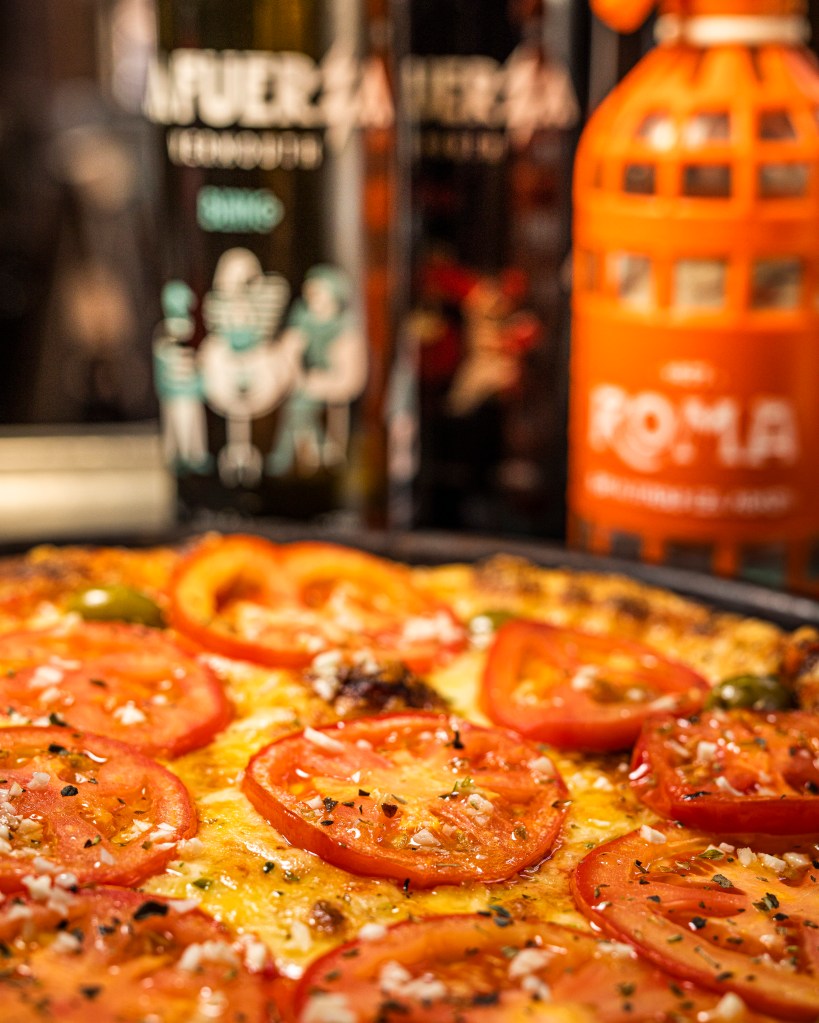
Desde ese lugar trabajamos pensando las especiales de Roma donde creamos pizzas, hacemos homenajes y nos permitimos salir de lo clásico. A veces de manera más radical, como en las pizzas veganas que siempre tenemos o también en algunos cambios más simples pero profundos como que la napolitana tenga una versión de verano con tomates reliquia y una “del frio” con tomates en conserva y secos. La carta tiene cambios por estación, pero no cambia todo.
LzT: As you mentioned, and as I can attest, the Roma menu features Buenos Aires-style pizzas but with a signature twist. Was that the plan from the outset? How often do you change the menu, and what factors influence those decisions?
MA: We wanted to make Buenos Aires-style pizza, baked in a traditional oven. From there, we thought about offering some classics, such as mozzarella, regular and stuffed fugazzeta. But then we started working on an idea of our own because something that defines Buenos Aires-style pizza is that it is linked to the mix of cultures and the creativity of that mixture.
From there, we work on Rome’s specials, where we create pizzas and allow ourselves to stray from the classic. Sometimes in more radical ways, such as with the vegan pizzas we always have, or with simpler but profound changes, such as the Neapolitan pizza having a summer version with heirloom tomatoes and a “cold” version with preserved and dried tomatoes. The menu changes with the seasons, but not everything changes.

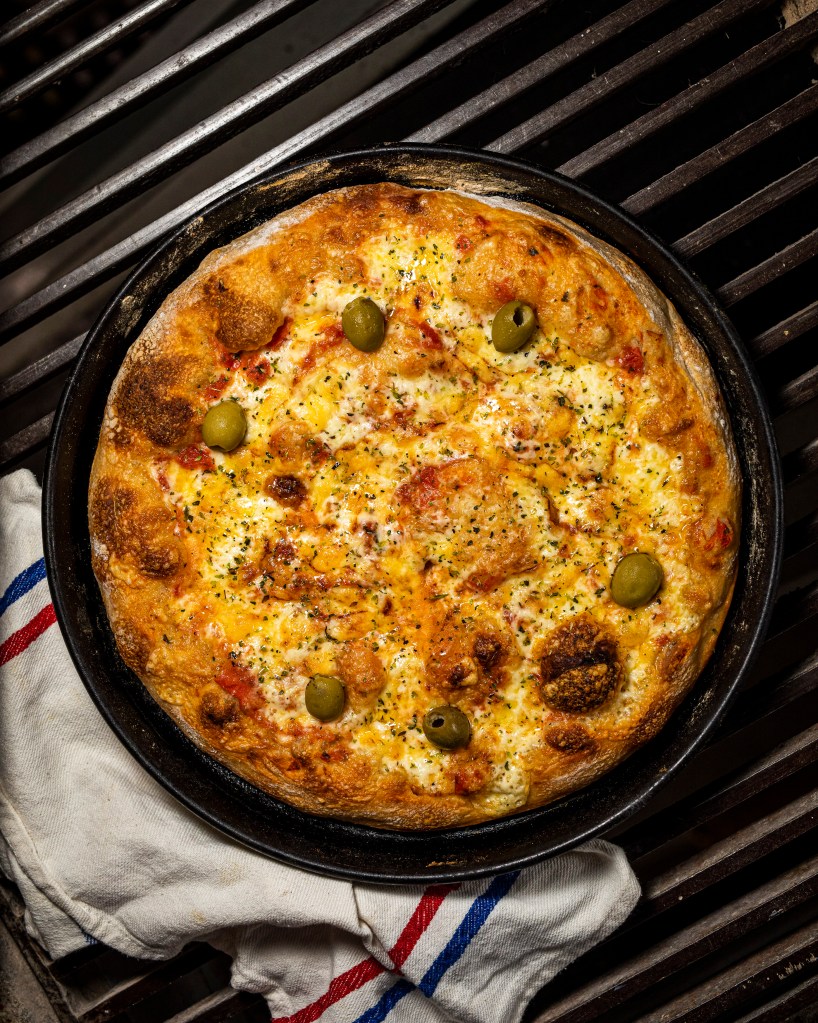
Fotos Martín Auzmendi
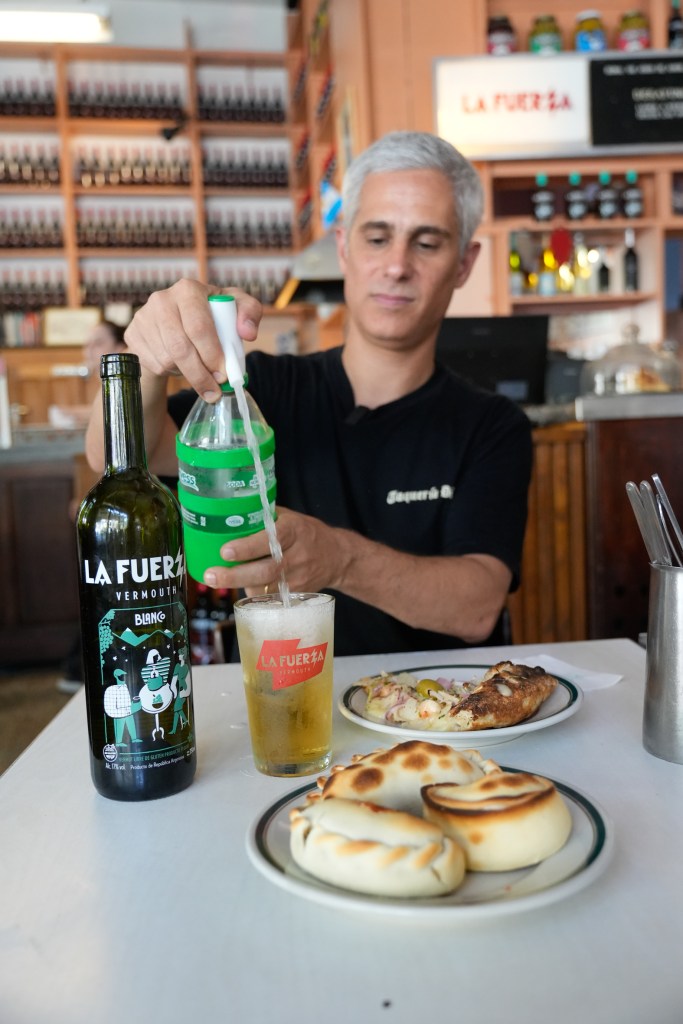
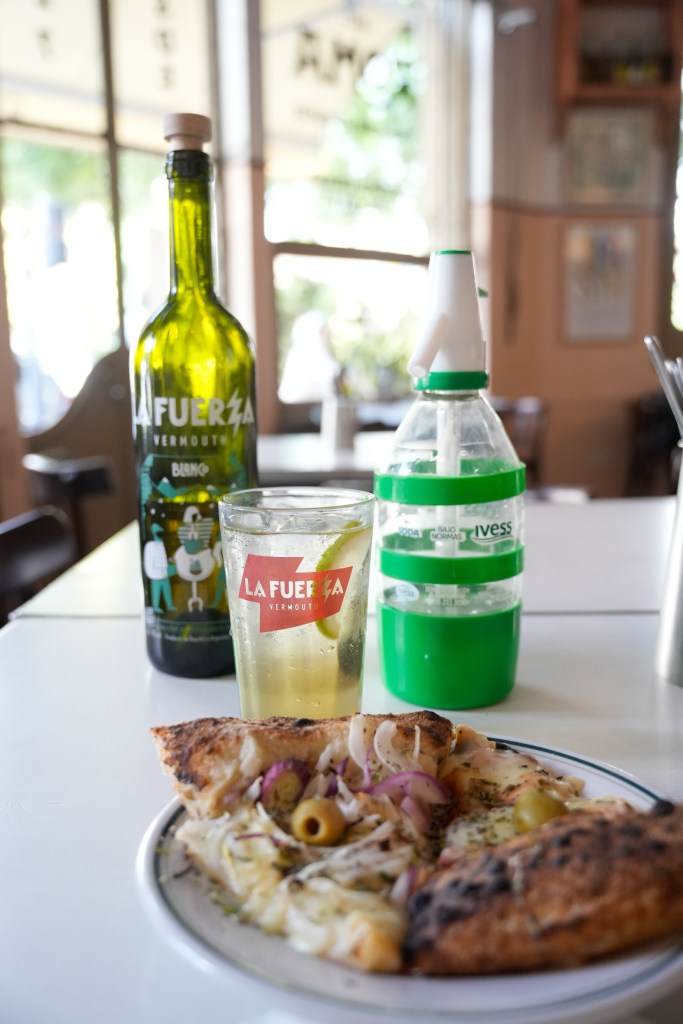
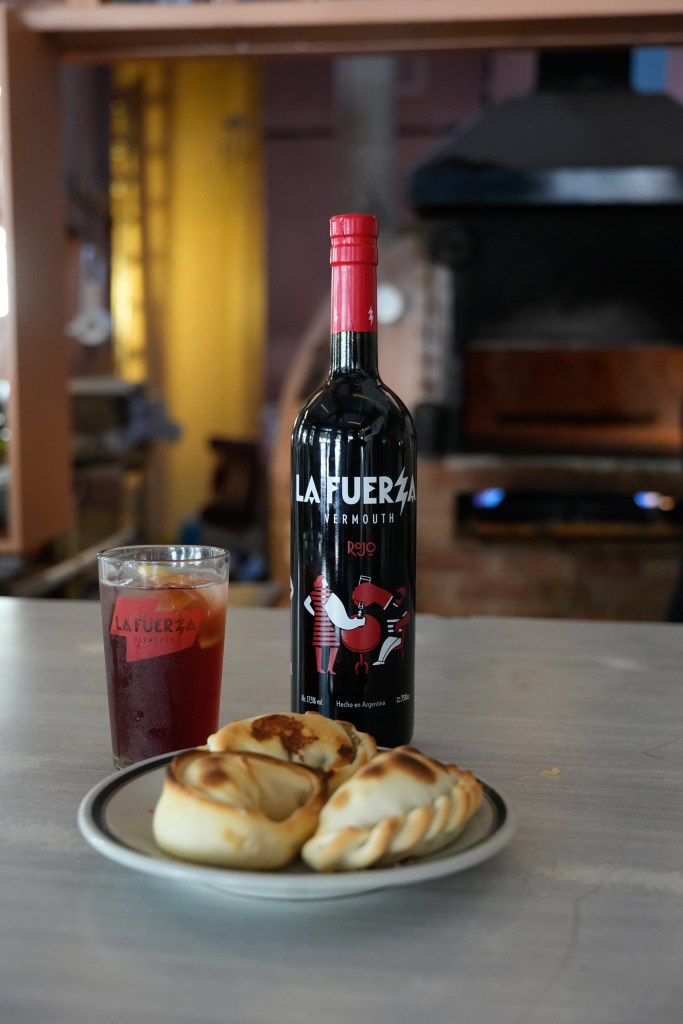
LzT: El vermú La Fuerza está presente tanto en la carta como en la decoración del lugar ¿Qué tiene el vermú que sentís que conecta especialmente con el espíritu
del bar?
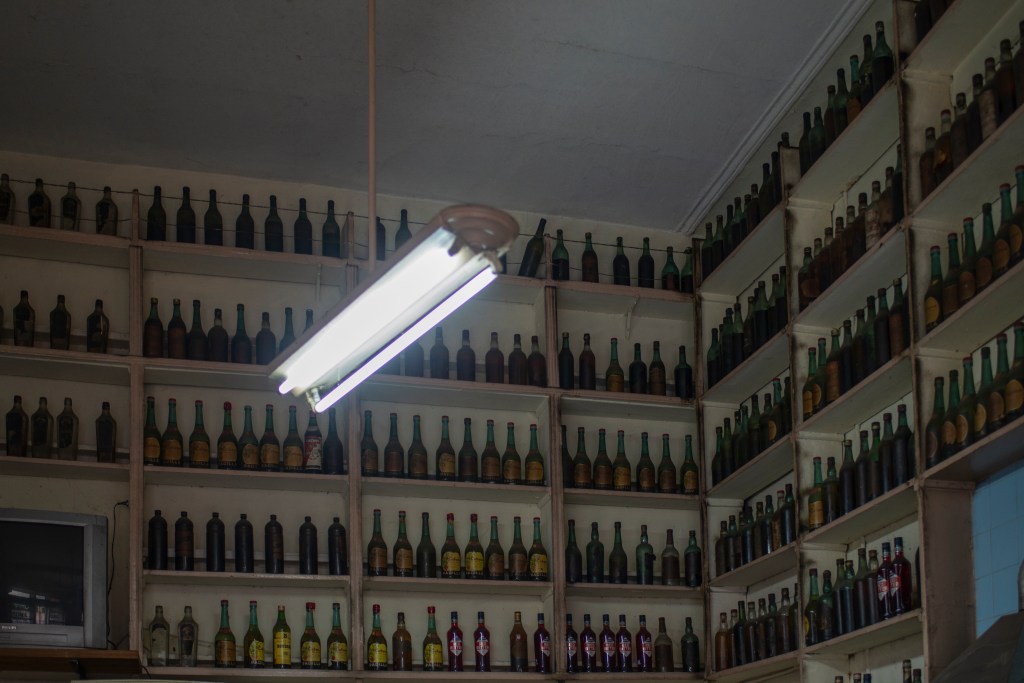
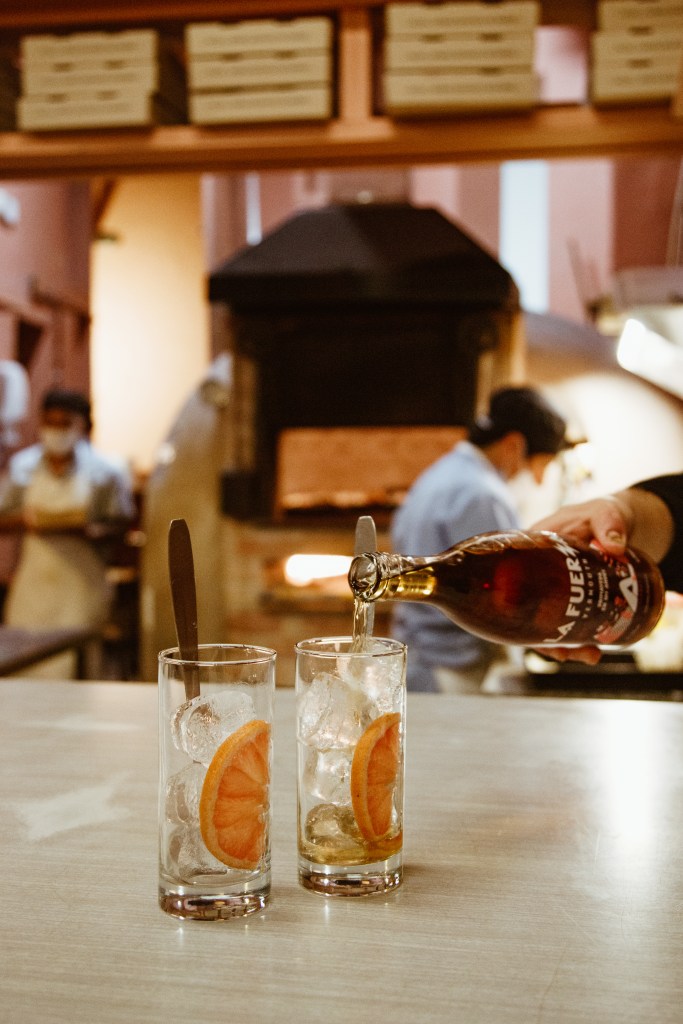
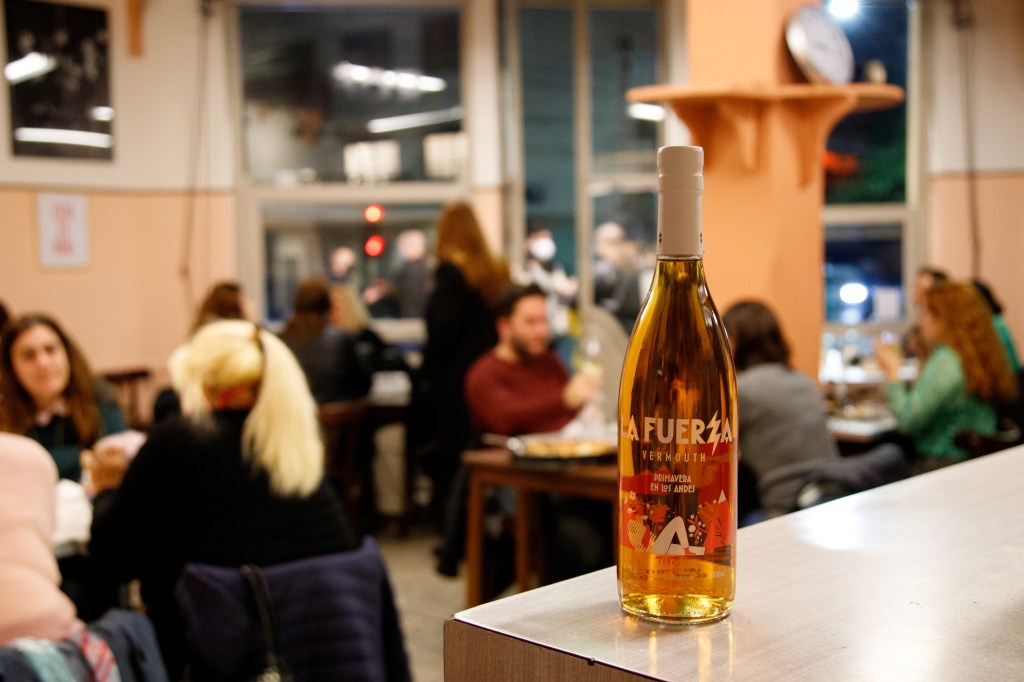
MA: Como dije anteriormente es parte de un mismo proyecto, con los mismos socios, pero está porque creemos que el vermú hace a la identidad de los bares de Buenos Aires y Argentina. Y nos pareció genuino que sea parte de la propuesta de un bar del Abasto donde sirvan pizzas y empanadas. De hecho
entre las botellas que decoran el bar y estaban desde siempre había muchas de vermouth.
LzT: La Fuerza vermouth is present both on the menu and in the decoration of the place. What is it about vermouth that you feel connects especially with the spirit of the bar?
MA: As I said before, it’s part of the same project, with the same partners, but it’s there because we believe that vermouth is part of the identity of bars in Buenos Aires and Argentina. And we thought it was fitting for a bar in Abasto that serves pizza and empanadas. In fact, among the bottles that decorate the bar and have always been there, there were many bottles of vermouth.
Fotos https://www.instagram.com/agenciaoido/
LzT: ¿Realizan eventos culturales? ¿De qué tipo?
MA: Sí, Hemos tenido recitales de tango y otros estilos musicales, presentaciones de libros, charlas sobre temas que van de la arqueología a la música, lecturas de poesía, ferias de
discos, talleres de cerámica con una vecina que los dicta, se ha escrito una obra que sucede en el bar y se representó para filmarla y también en vivo y tenemos una “residencia”
en Roma en la que convocamos a escritores y periodistas a que “habiten” el bar un mes y
produzcan un texto que luego compartimos en nuestro newsletter.
LzT: Do you hold cultural events? What kind?
MA: Yes, we have had tango concerts and other musical styles, book presentations, talks on topics from archaeology to music, poetry readings, record fairs, ceramics workshops with a neighbor who teaches them, a play has been written that takes place in the bar and was performed for filming and also live, and we have a “residency” in Rome where we invite writers and journalists to “inhabit” the bar for a month and produce a text that we then share in our newsletter.
LzT: ¿Cómo es el público que frecuenta el Roma? ¿Cambió con el tiempo?¿Reciben turistas que
buscan bares históricos de la ciudad?
MA: Es muy variado, desde vecinos hasta gente de todos los barrios de la ciudad. También comenzaron a venir turistas de otros lugares del país y de otros países que buscan probar
empanadas y pizza porteña. Y es variado también en edades, algo que nos encanta.
LzT: ¿Qué te gustaría que la gente sienta la primera vez que entra al Roma?
MA: Que es un lugar genuino, real, auténtico.
LzT: Si el Bar Roma pudiera dejar un mensaje a quienes lo visitan, ¿cuál te gustaría que fuera?
MA: De agradecimiento. Por venir. Que la gente visite y valore estos lugares permite que su historia siga adelante.
LzT: What is the Roma’s clientele like? Has it changed over time? Do you get tourists who are looking for historic bars in the city?
MA: It’s very diverse, from neighbors to people from all neighborhoods in the city. Tourists from other parts of the country and other countries have also started coming, looking to try
empanadas and Buenos Aires-style pizza. And it’s also diverse in terms of age, which we love.
LzT: What would you like people to feel when they first walk into Roma?
MA: It’s a genuine, real, authentic place.
LzT: If Bar Roma could leave a message for those who visit it, what would you like it to be?
MA: One of gratitude. For coming. People visiting and appreciating these places allows their history to live on.
Notas
Roma del Abasto https://romadelabasto.com.ar/roma-es-amor/nuestra-historia/
Newsletter del Roma https://www.instagram.com/p/DQZNR8ADR2L/?img_index=1


 VIAJES CRONICAS ARTE
Deja un comentario